Sustainability pioneer Yukie Sawada on rural tourism in Japan and Nagano.
Japan’s Tourism Dilemma
Japan is notoriously the destination on everyone’s bucket list. Following the pandemic, tourist numbers have once again surged in Japan, reaching record levels.
These overall numbers paint a promising picture for Japan’s position as a leading tourist destination. However, on closer examination, the situation reveals great disparities in what tourism means from region to region.
Major destinations such as Kyoto, Tokyo, Osaka, and Hiroshima, collectively known as the ‘Golden Route’ are experiencing heavy congestion and overtourism, a trend that is now recognized globally. At the same time, many rural areas remain untouched by tourism, despite representing the most authentic Japan, and offering experiences rich with culture, nature, and history.
The challenge for Japan has therefore shifted. It is no longer just about attracting visitors, but instead about distribution and management. Where people go and how they are engaging with local communities.
What Overtourism Means for Locals
Overtourism is often talked of in the news as an abstract topic, often far removed from the lives of those it affects. However the impact for local communities is one of intense pressure in a multitude of ways.
Of the most publicized instances of overtourism are increased traffic, noise and litter as well as occasional cases of inappropriate behavior. Although it may be easy to dismiss these as one offs, in actual fact these stack up as more than just minor inconveniences. In fact, they fundamentally change how locals experience their own communities, and neighbourhoods.
Overtourism also inevitably brings exaggerated environmental pressures including trail erosion, increased emissions and waste, and strain on water systems. Not to mention tourist experiences that implicate animal welfare, and mass tour operators that are focused more on profit than on the long term vision of a place.
Economically, tourism spending often circulates within limited channels, with smaller local businesses seeing less benefit than expected. Furthermore, in Japan’s case, the weak yen compounds an effect of pricing out the locals, from household goods and eating out, to the rising prices of housing, sometimes forcing out families that have lived there for generations.
Although it is true that systems must be designed to mitigate the effects of overtourism, the choices tourists make when visiting Japan can also make a huge difference from the ground up.
Regional Realities in Nagano
Nagano is widely known for the Japanese Alps, its world class ski resorts, and hiking routes. You’ll have heard of key destinations including Kamikochi, Matsumoto Castle, Hakuba and Nozawa Onsen. Maybe even Karuizawa and Jigokudani snow monkey park.
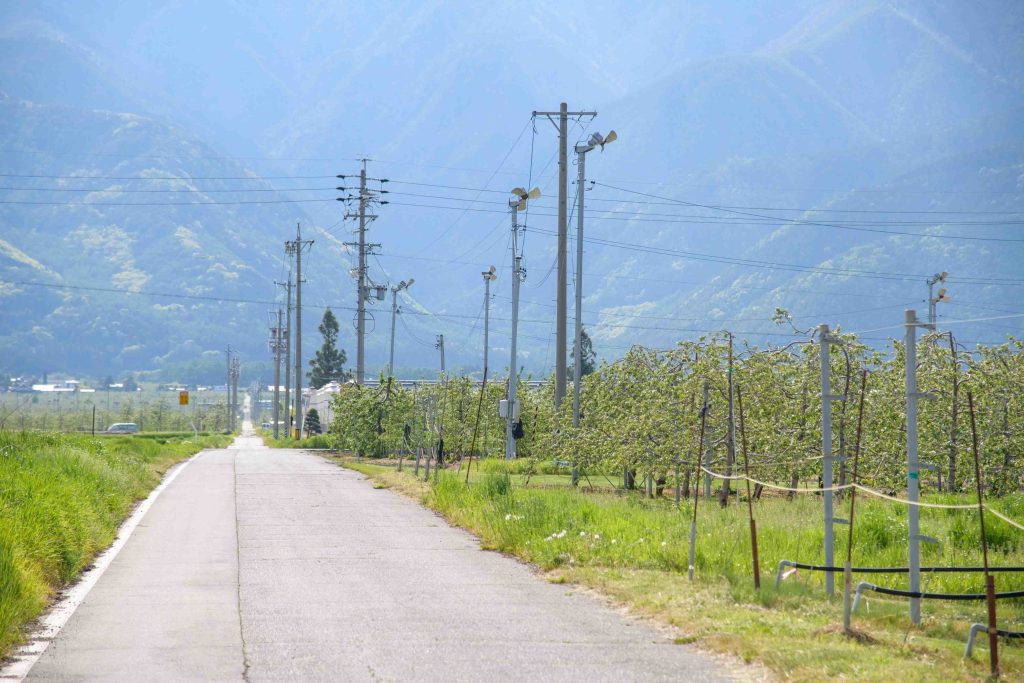
Outside these few hotspots however, many rural communities face steep population decline, aging demographics, and the large-scale loss of traditional crafts, festivals, and local food culture.
Kosuge village, for example, is an extraordinary place with tremendous historical value boasting stories of matchmaking gods, samurai warlords, the training of thousands of monks, and countless wars over the region. Despite being recognized as an area of cultural heritage by the Japanese government, the village is mere decades from extinction.
Similarly, ancient pilgrimage routes such as the Salt Road between the Sea of Japan and Matsumoto, the Zenkoji Road, and Nakasendo post towns are part of this broader cultural landscape facing dereliction and the risk of being forgotten.
Hence, the opportunity lies in balancing overtourism with unique gems in the Japanese countryside that few ever get to experience.
What Sustainable Tourism Means in Practice
Sustainable tourism is about ensuring that travel supports local economies while respecting culture and the environment.
This requires structure, manifesting as clear guidelines for visitor numbers, behaviour, and access. It also requires communication and cooperation between operators, visitors, and local communities. Too often, we see tourism happening to a place, sidelining the participation of communities and neglecting the invaluable contribution they can provide.
When done well, tourism becomes more than consumption and passing through, and instead becomes an active process of engagement with a place. Staying locally, eating local food, and learning from local guides.
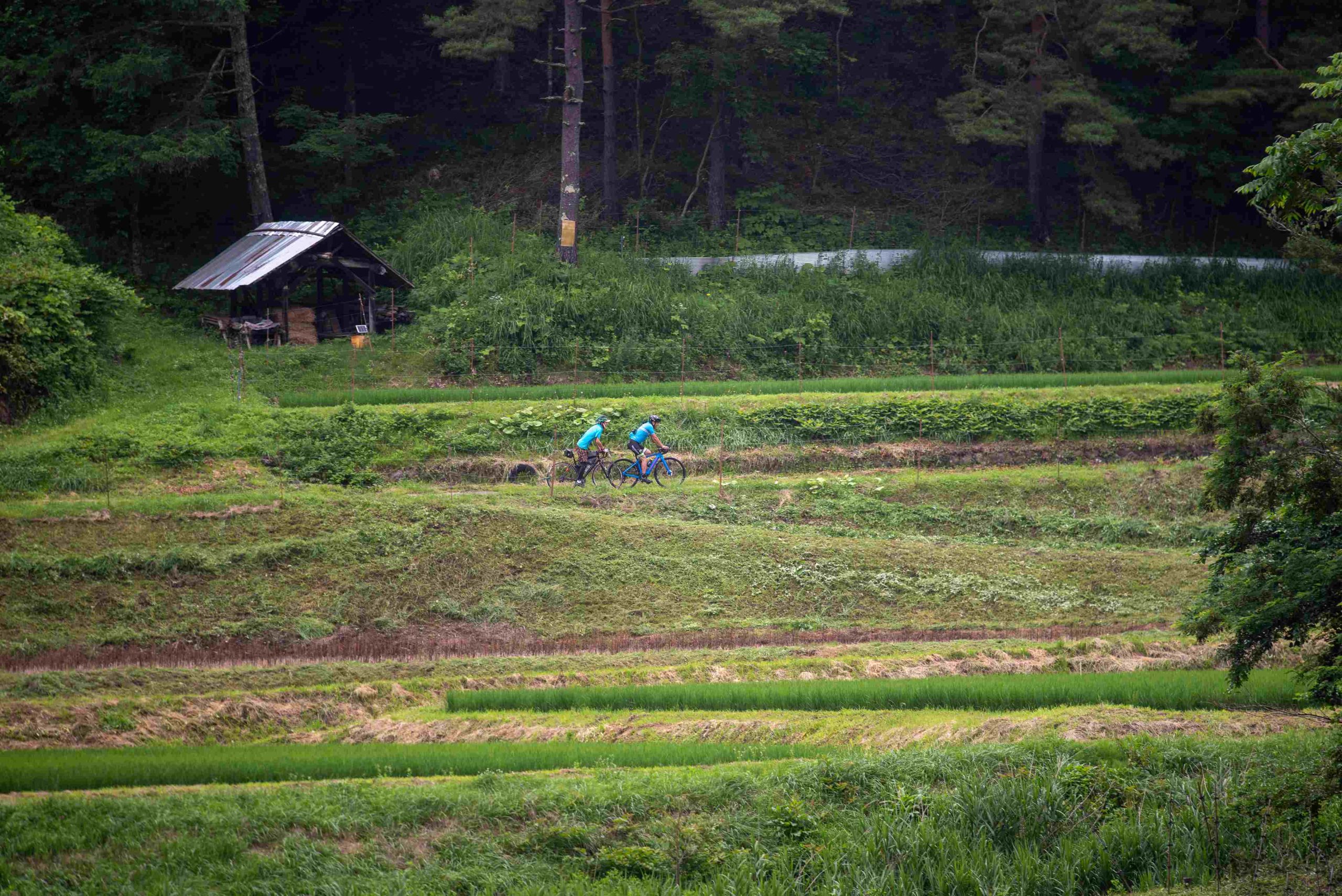
It was therefore paramount for me, for Ride Nagano to put this at the heart of our approach, focusing on travel that works with the region rather than overwhelming it. Sourcing local suppliers wherever we can and paving the way for what sustainable tourism could look like for rural Japan.
What it Means for the Long-Term
It goes without saying that the impact of tourism is slow and gradual. A single trip doesn’t transform a region, but consistent, well-designed travel can support the local identity of a place and help sustain traditions over time.
Artisans can continue their craft passed down over generations, traditional buildings and historic relics are preserved through visitor footfall, and younger family members can stay living locally, without having to migrate to a city for work.
Therefore, when visitors who value authenticity choose rural destinations that connect with communities actively preserving their culture, we can create spaces for meaningful exchange that wouldn’t be possible otherwise.
Ride Nagano focuses on building those connections so we can ensure a long-term future for Nagano and the rest of rural Japan.