A portrait of Japan’s finest cycling region. Its mountains, roads, culture, and the people who make it extraordinary.
Why Nagano
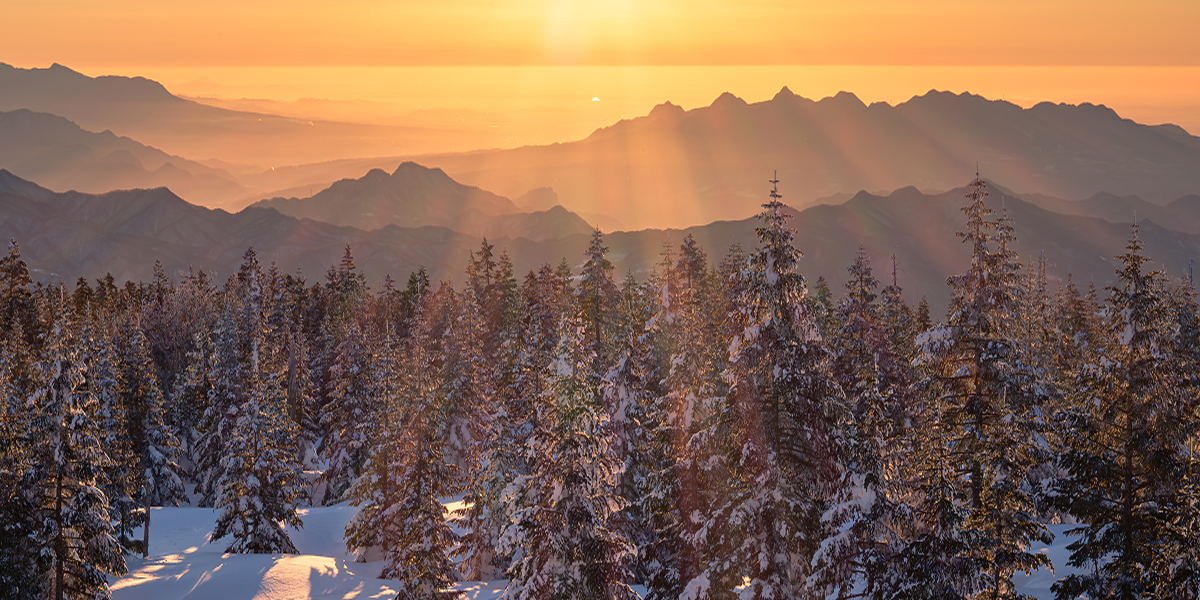
THE AREA
A place that reveals itself slowly
Nagano unfolds with a quiet grandeur. Anchored by three of Japan’s greatest mountain ranges, collectively known as the Japanese Alps, its terrain offers a rare sense of scale and variation.
Roads drift through mountain passes, past centuries-old villages and fields that define Japan’s agricultural heartland.
Along the way, encounters with local people, always warm and genuine, open the door to a richness of experience that extends far beyond the ride itself.
This is an area to be experienced with depth and immersion. The place reveals itself gradually, in sync with the slow travel that cycling affords.
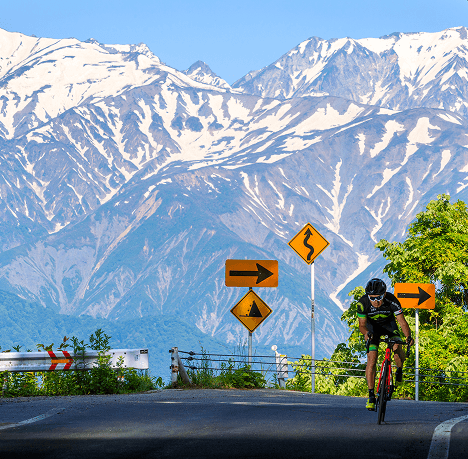
It is well known that Nagano is unparalleled in its landscapes and cycling conditions. It’s everything cyclists dream of and has long held this reputation in Japan.
Raita
Former Olympic Cyclist and Cycling Team Manager for Japan,
Founder of Ride Nagano
The Seasonality of Nagano
Three seasonal backdrops.
Infinite roads.
Plan my Journey
01
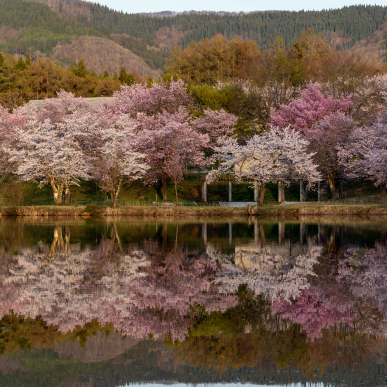
Spring:
Quiet Emergence
April to June
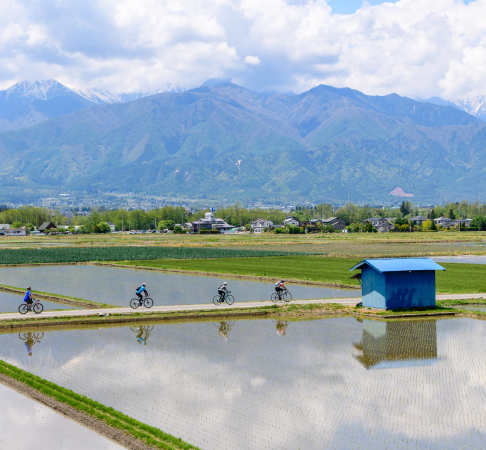
Spring in Nagano gently unveils dark earth and reflective rice fields framing the Alps before planting begins. The cool air awakens the wildlife, after the snow melts.
Riding feels exclusive with quiet roads winding through villages. Days pause for hanami beneath the famed cherry blossoms or to admire the vibrant nanohana blooms in May.
02
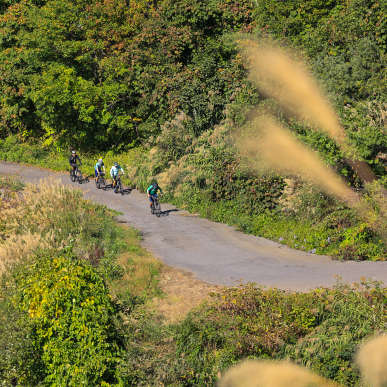
High Summer:
Elevation & Escape
July and August
In high summer, Nagano’s mountains shine while the lowlands heat up. The higher elevations stay cool and clear, with long days, open skies and endless views.
Summer days are generous, starting crisp and inviting spontaneous moments by emerald streams, mountain cafés, or blooming highland plateaus. Fresh mountain vegetables and wasabi grown in pure meltwater appear in abundance.
03
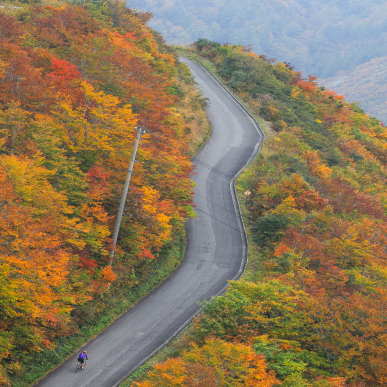
Autumn:
Depth & Colour
September to November
Autumn shifts the landscape into vibrant reds, golds, and ambers, giving familiar roads a fresh clarity. Riding feels precise, with crisp descents through places like the Kiso Valley and vineyards near Tomi and Shiojiri.
Along the way, you’ll see roadside stands selling fresh apples, rice fields turning golden, and locals harvesting their crops. Seasonal foods like mushrooms, persimmon, and chestnuts abound.
Highlights
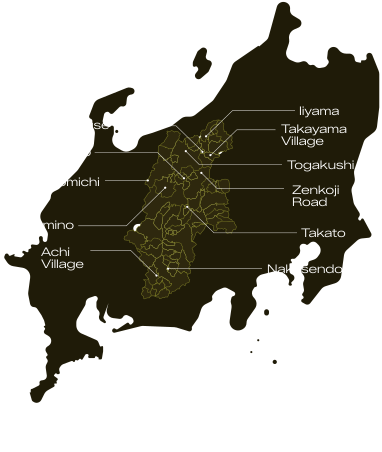
Map of Nagano

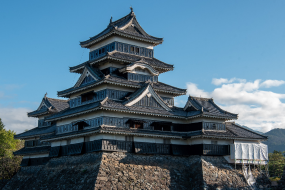
Matsumoto Castle
A striking original feudal fortress known as the “Crow Castle” for its black exterior, set against the Japanese Alps and famous for its well-preserved wooden interiors and moat reflections.

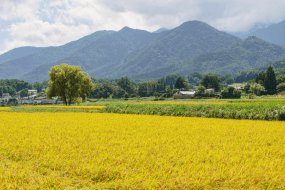
Azumino
Azumino, with slow horizons and open countryside, is shaped by pure snowmelt. The water which grows prized wasabi is used by the most notorious sushi chefs. Enjoy the landscape at farm cafés and riverside paths.

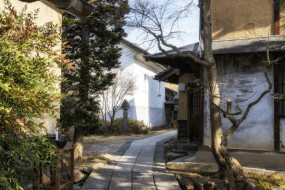
Obuse
Obuse, linked to Hokusai’s later years, showcases his final masterpieces in a dedicated museum. The town’s streets feature chestnut sweet shops and sake breweries, highlighting its artisanal heritage.

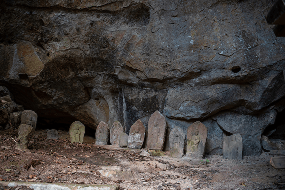
Shionomichi
Shio no Michi was a key trade route for salt and goods through the mountains, vital for survival and commerce. Now, hundreds of stone Buddhist statues mark the trail, watching over the former lifeline between remote communities.

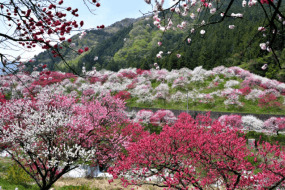
Achi Village
Achi, known for clear night skies, is also known as “Star Village.” The Milky Way is often visible, making it a top stargazing spot in Japan.

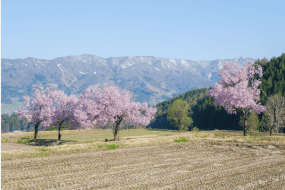
Iiyama
Iiyama, known for heavy winter snowfall, changes dramatically with the seasons. Beneath the snow are preserved minka farmhouses, ancient onsen villages, and historic mountain sites used by monks. It remains a quiet stronghold of Japan’s rural tradition and resilience.

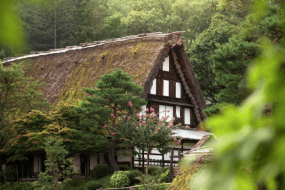
Takayama Village
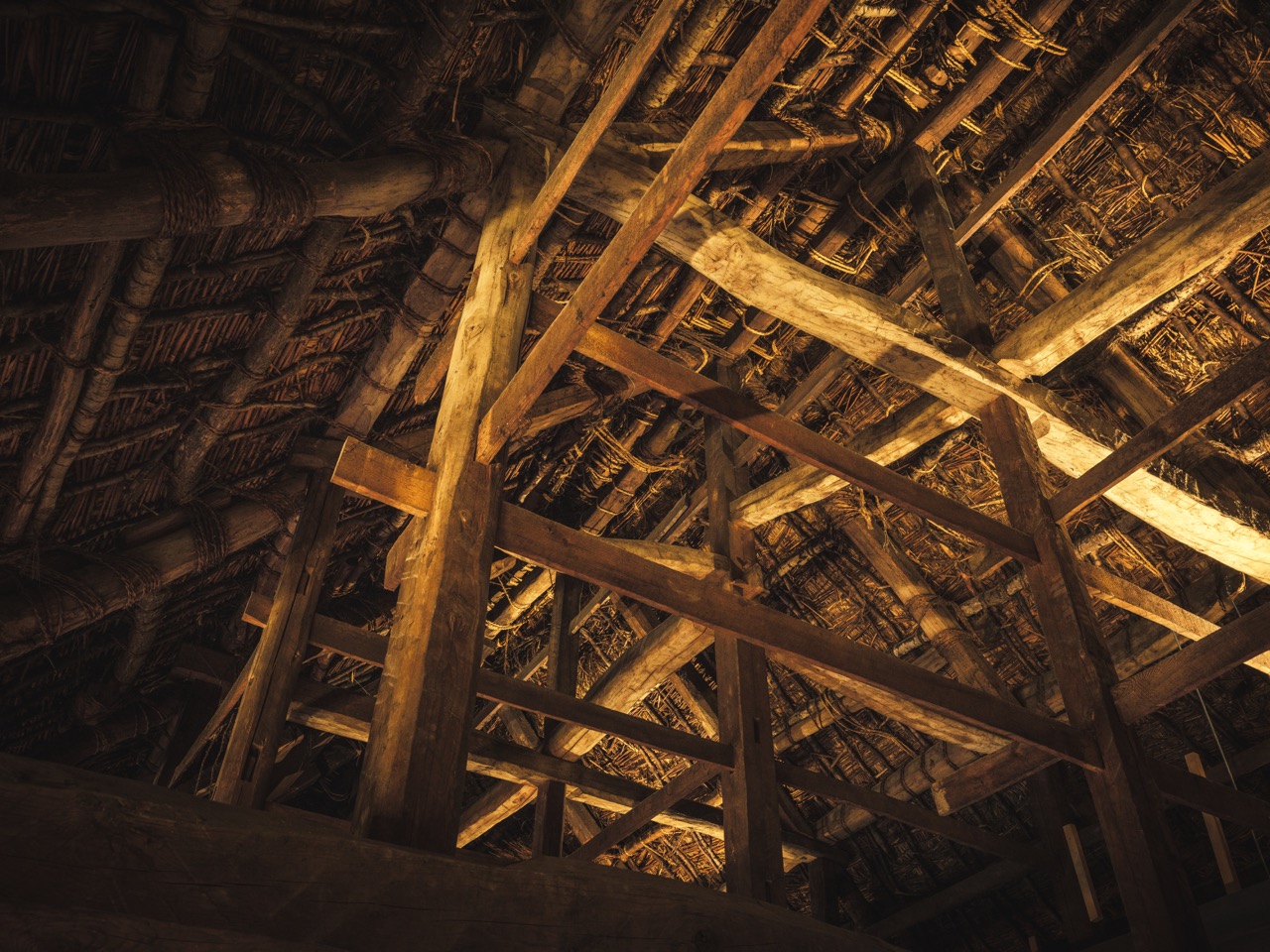
This folk village preserves traditional thatched-roof farmhouses and building techniques once common in Japan’s mountain regions. It offers a rare glimpse into how people lived and adapted around the harsh alpine conditions.

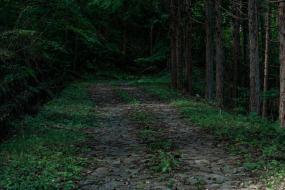
Zenkoji Kaido
This ancient pilgrimage route leads to Zenkoji Temple, home to one of Japan’s oldest Buddhist statues. The journey ends at the pitch-black underground passage where visitors symbolically seek enlightenment in darkness before returning to light.

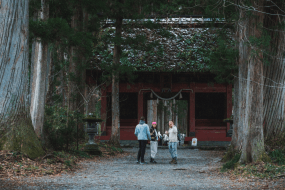
Togakushi
Togakushi features five shrines at different elevations, all steeped in Japanese mythology. The cedar paths between them offer a unique mix of pilgrimage history, folklore, and hiking.

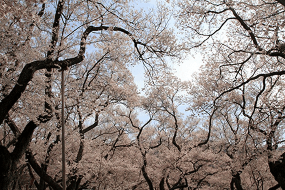
Takato
Takato Park, famed for its “best cherry blossoms under heaven,” has over 1,500 Kohigan cherry trees with deep pink sakura. Outside of the sakura season, the castle ruins offer a peaceful hilltop park with views of Ina Valley.

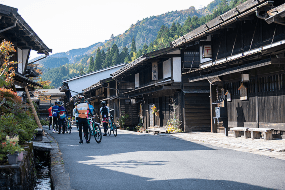
Nakasendo
Once travelled by samurai and lords, the Nakasendo highway is carefully preserved, with protected stretches even restricting the use of modern signage. Walking its stone paths feels like stepping into another era, where Edo-period settlements still endure.
Accommodation
Where you’ll stay
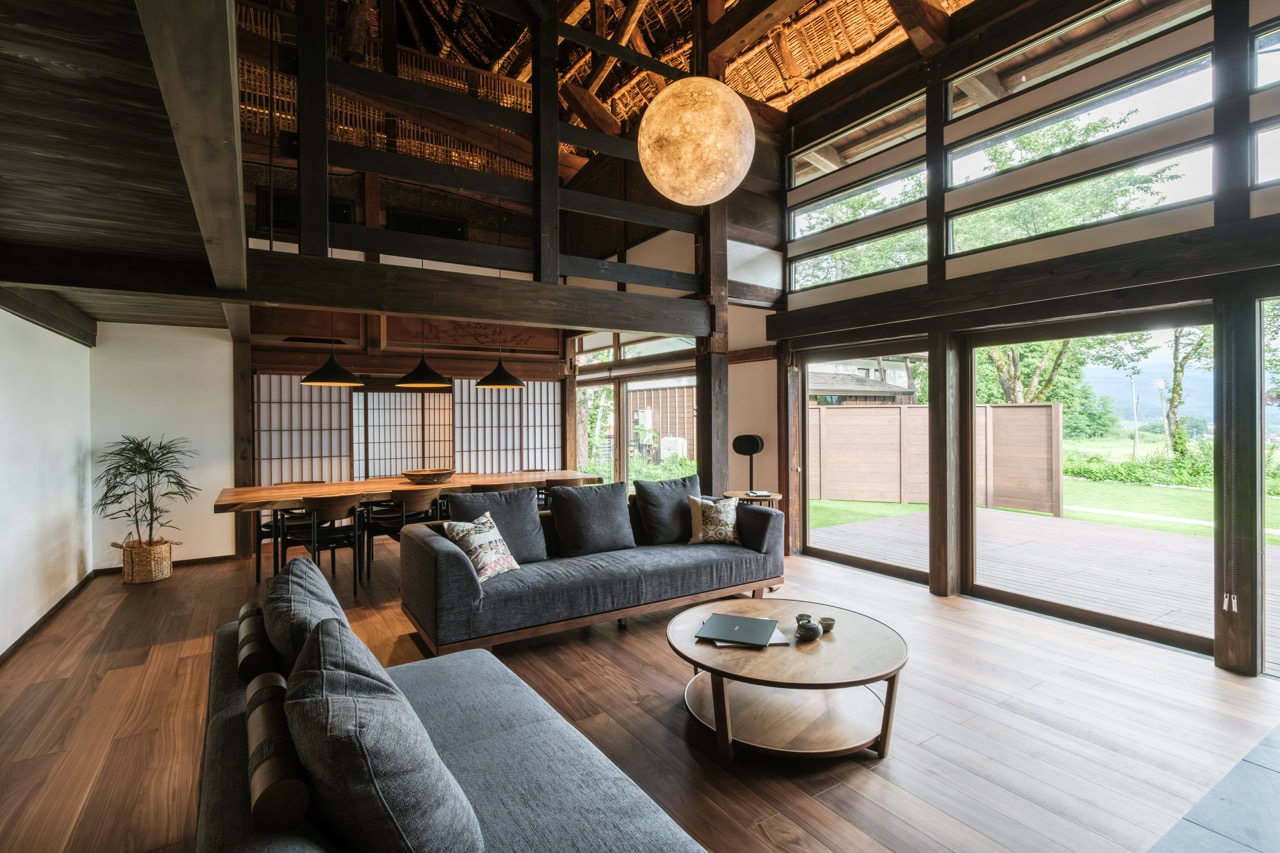
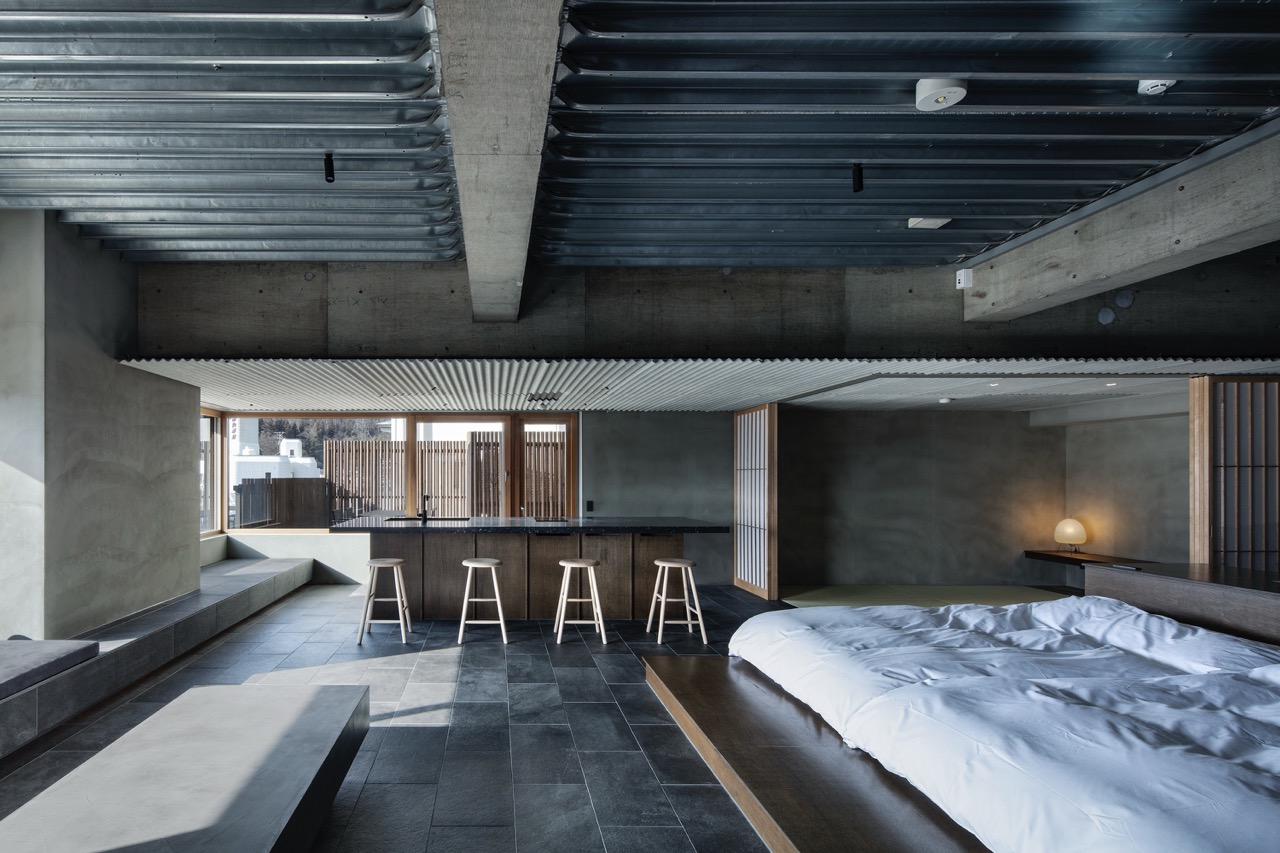
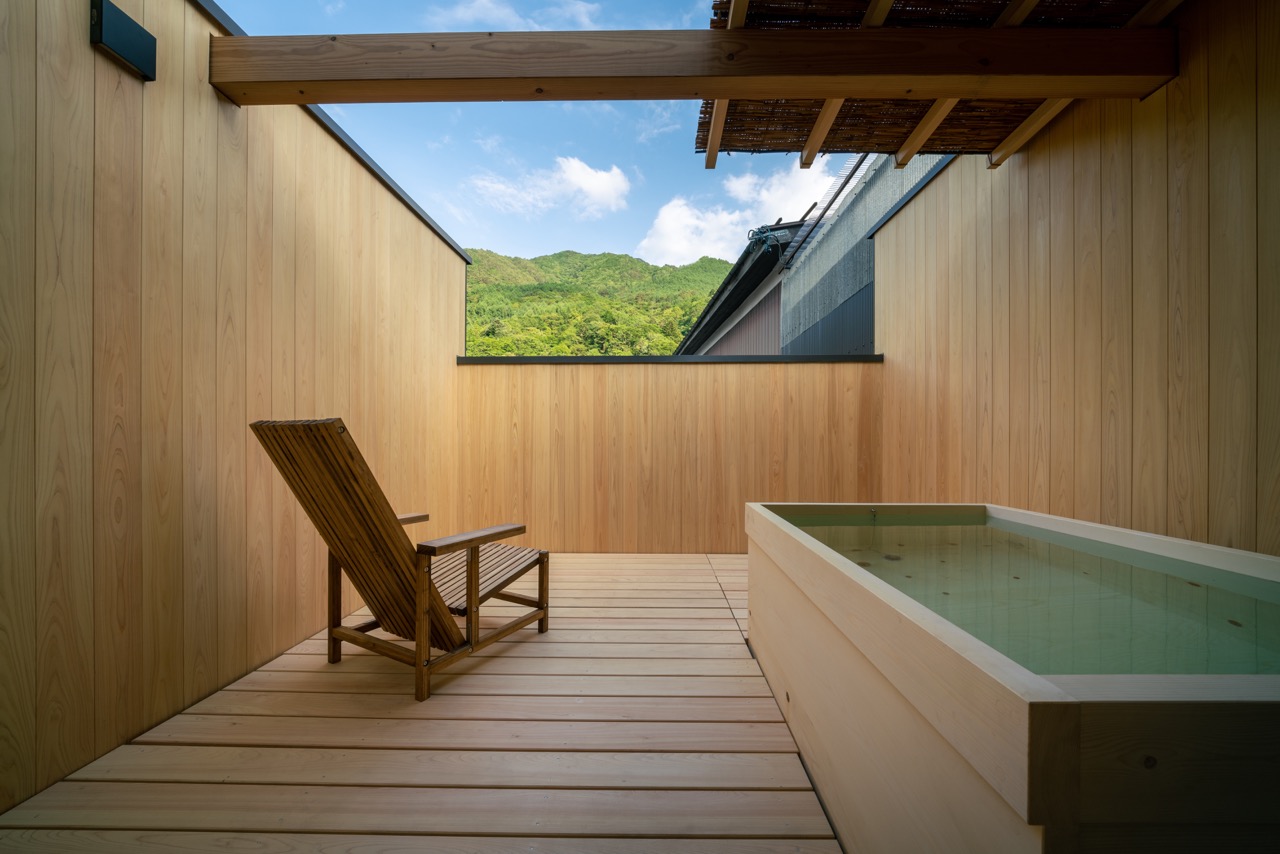
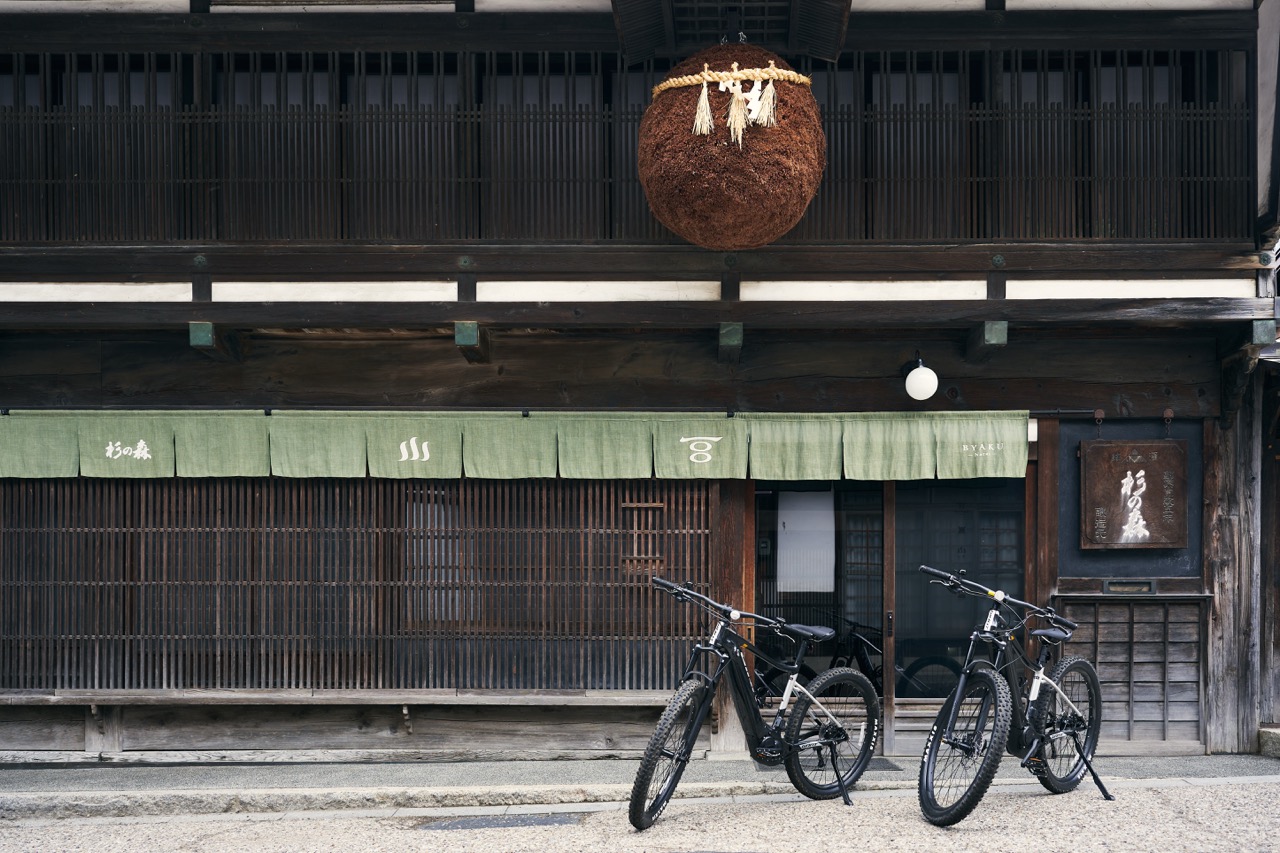
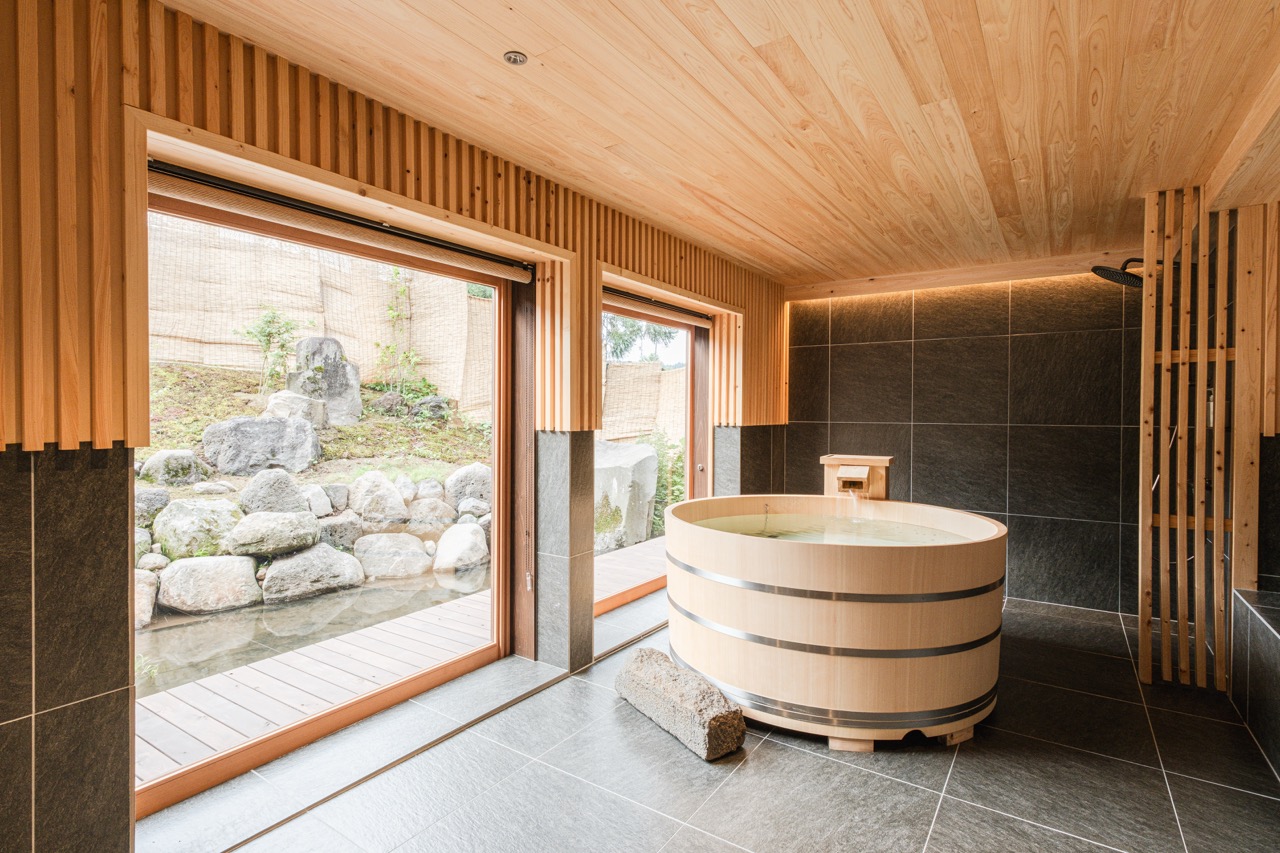
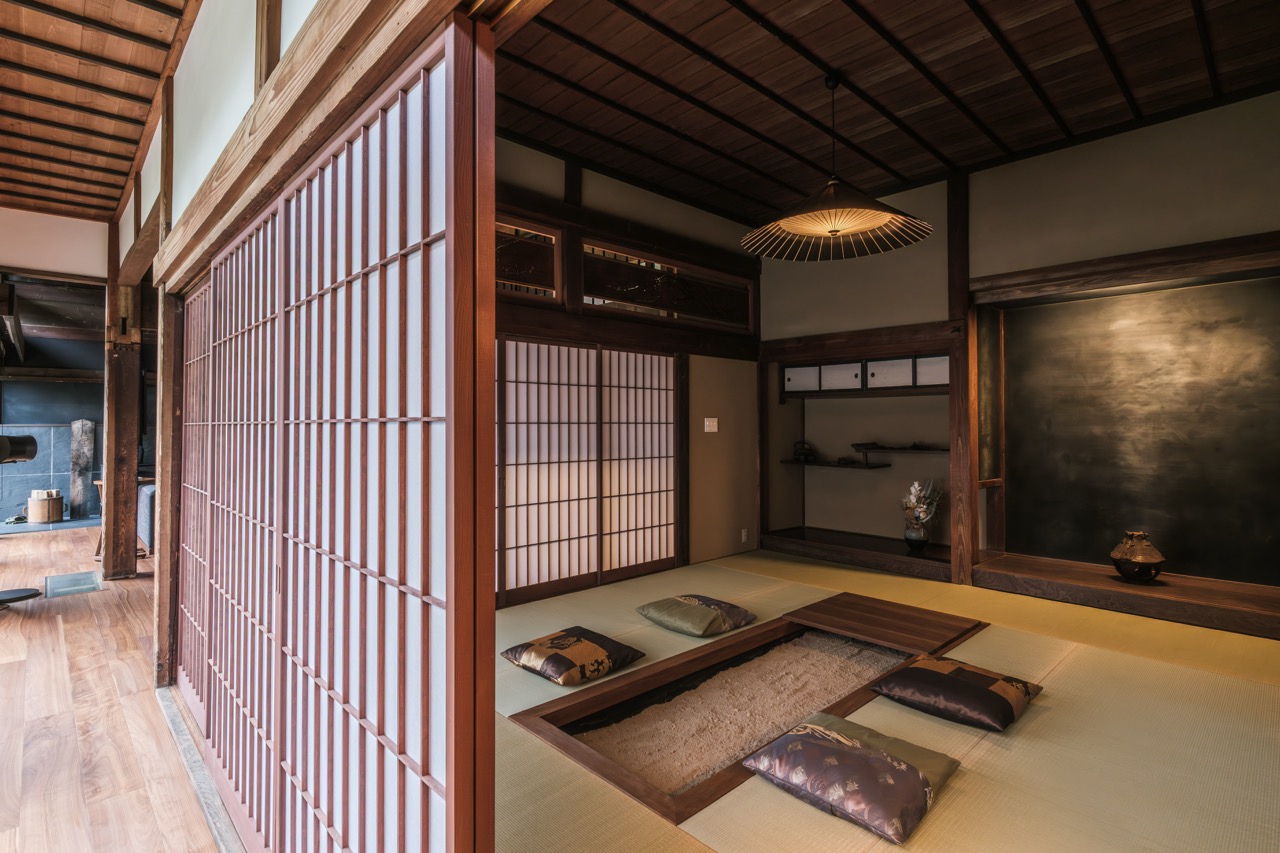
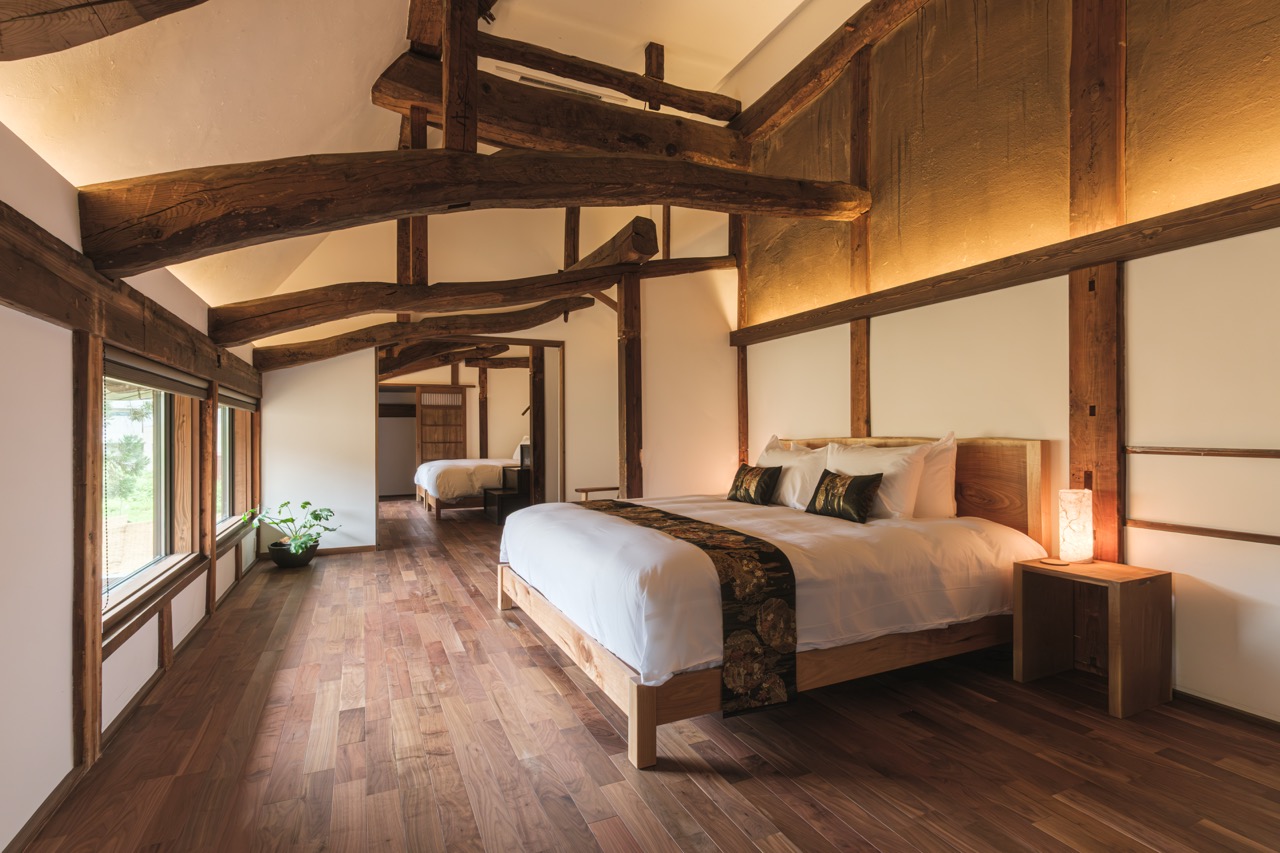
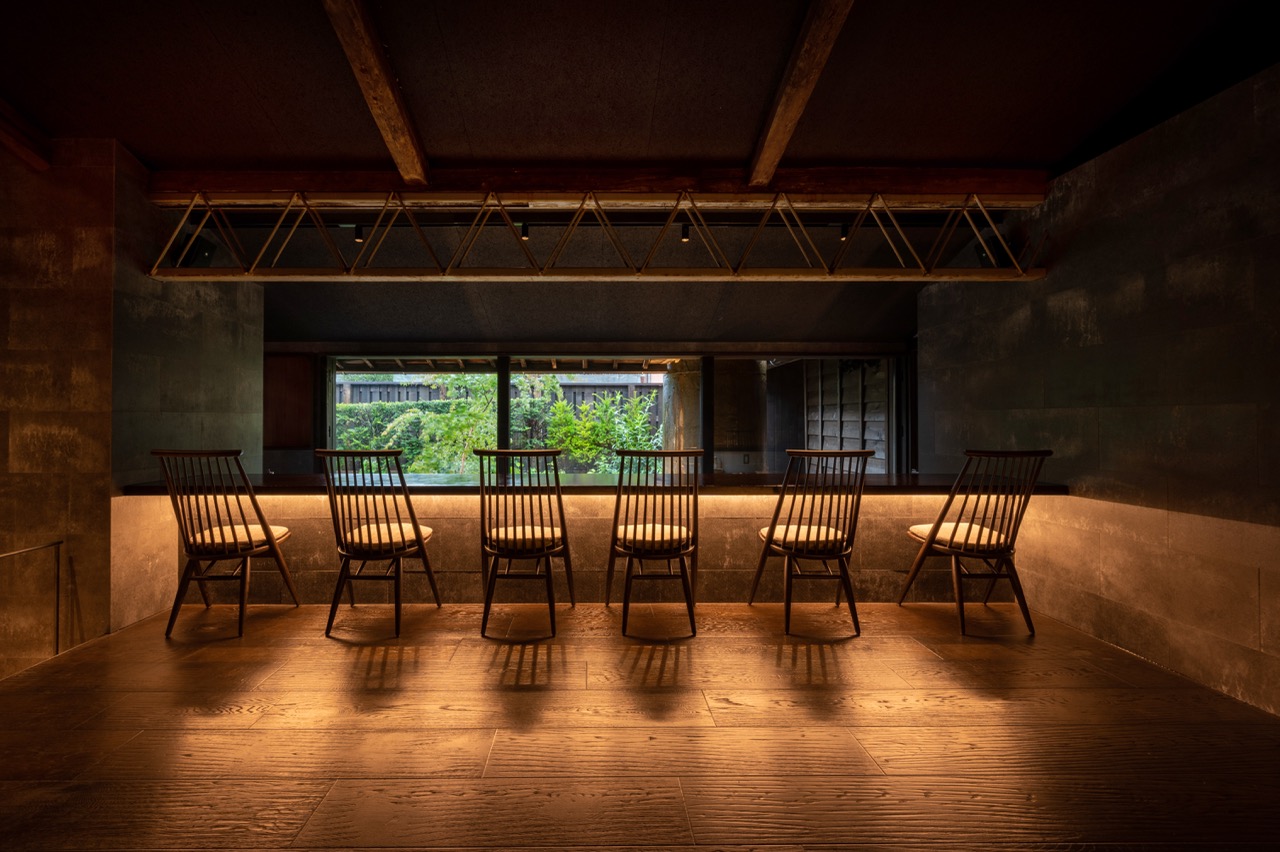
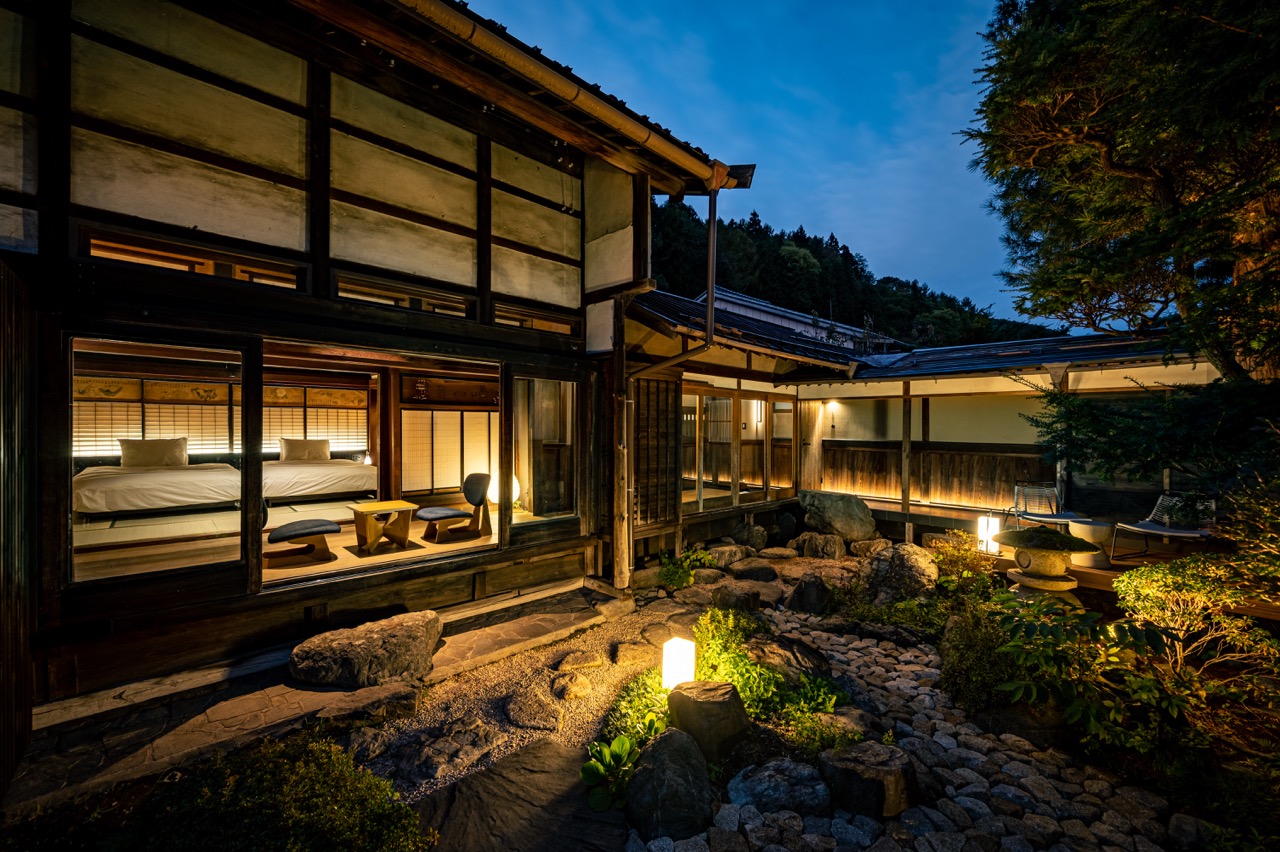
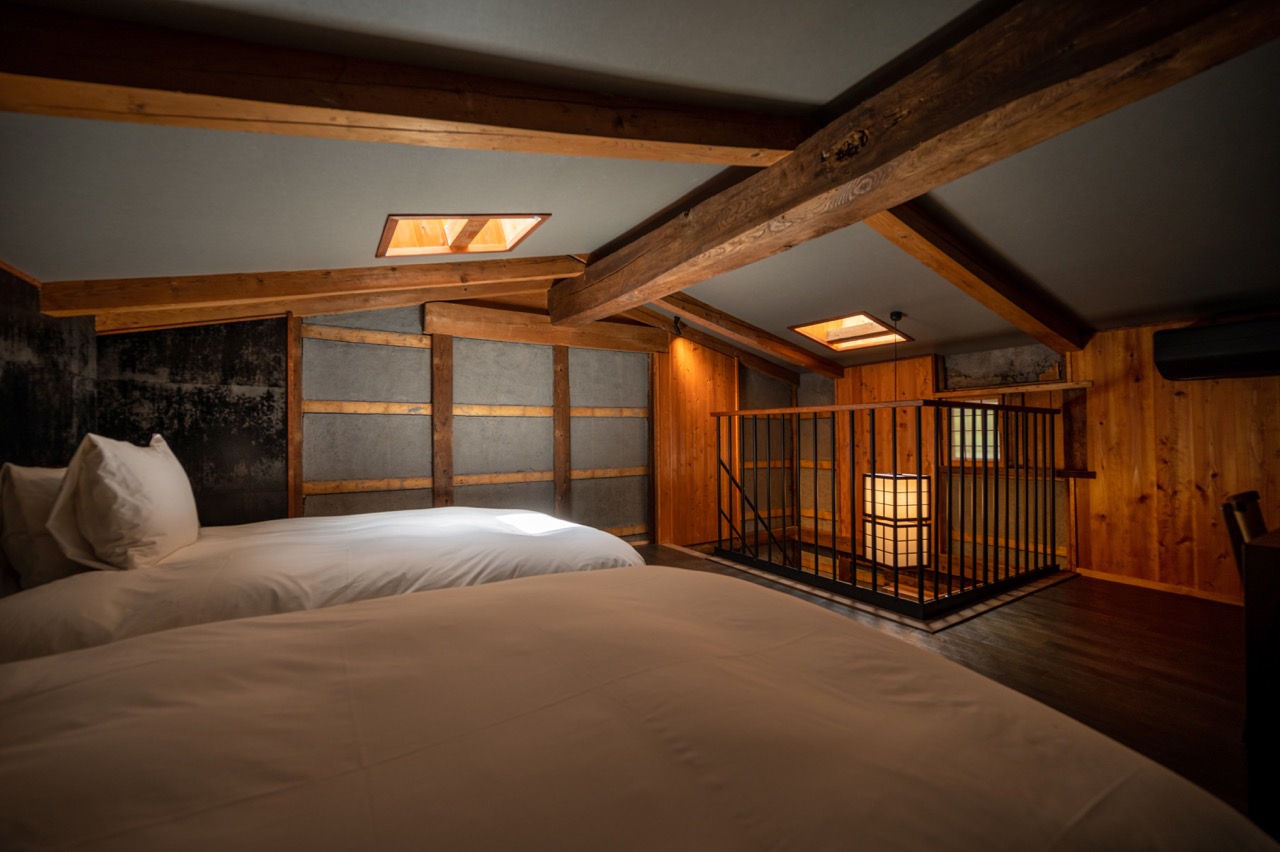
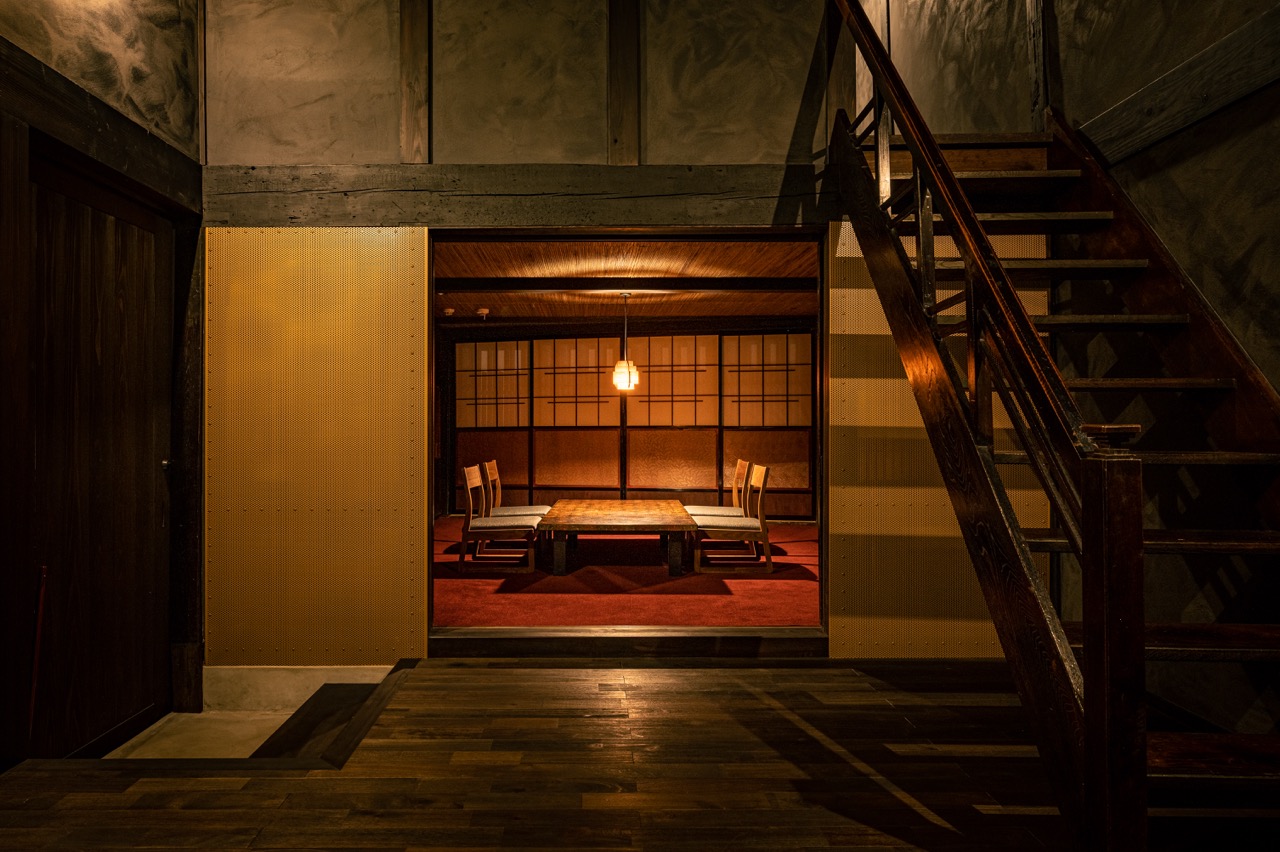
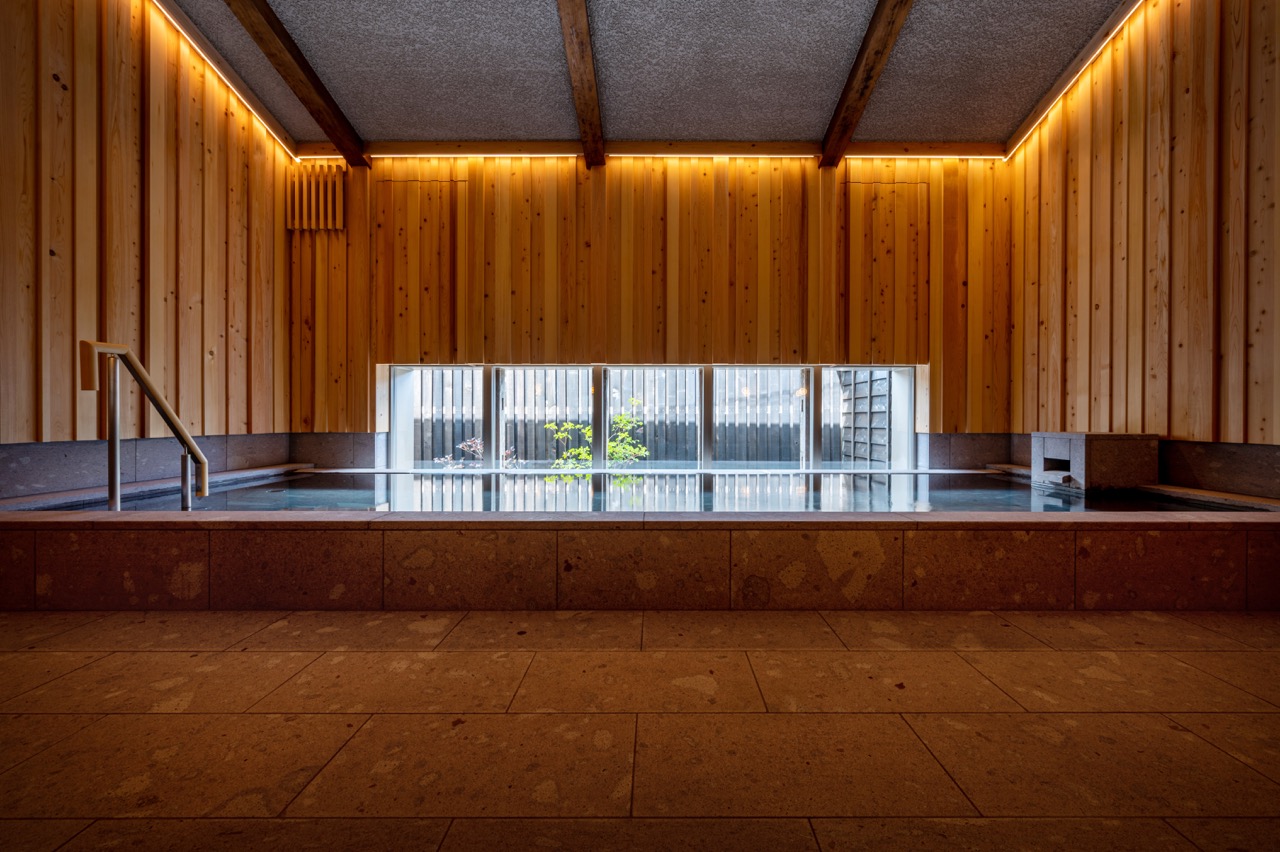
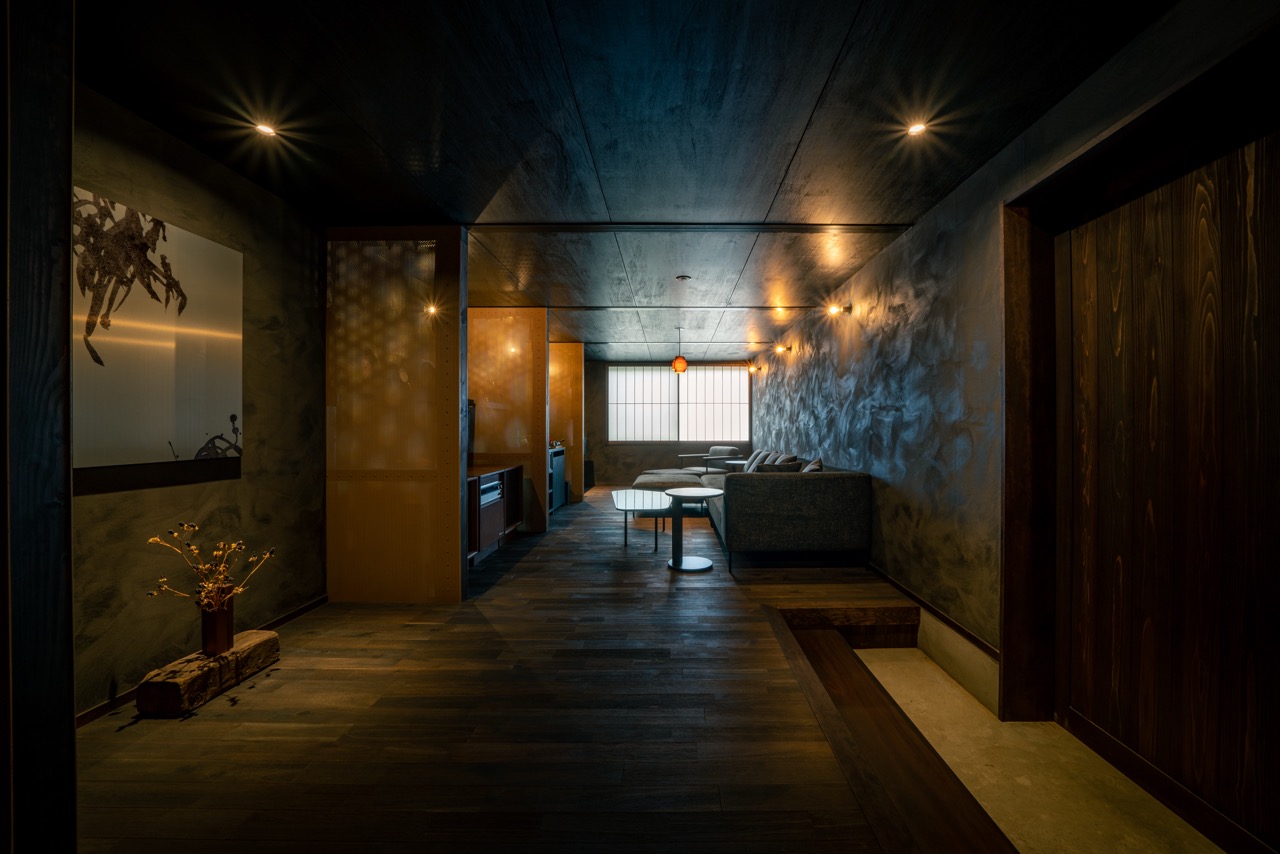
Where you stay is as considered as the ride itself. We work with a small network of trusted partners across Nagano, selecting 4 and 5 star accommodation that reflects the character of each place.
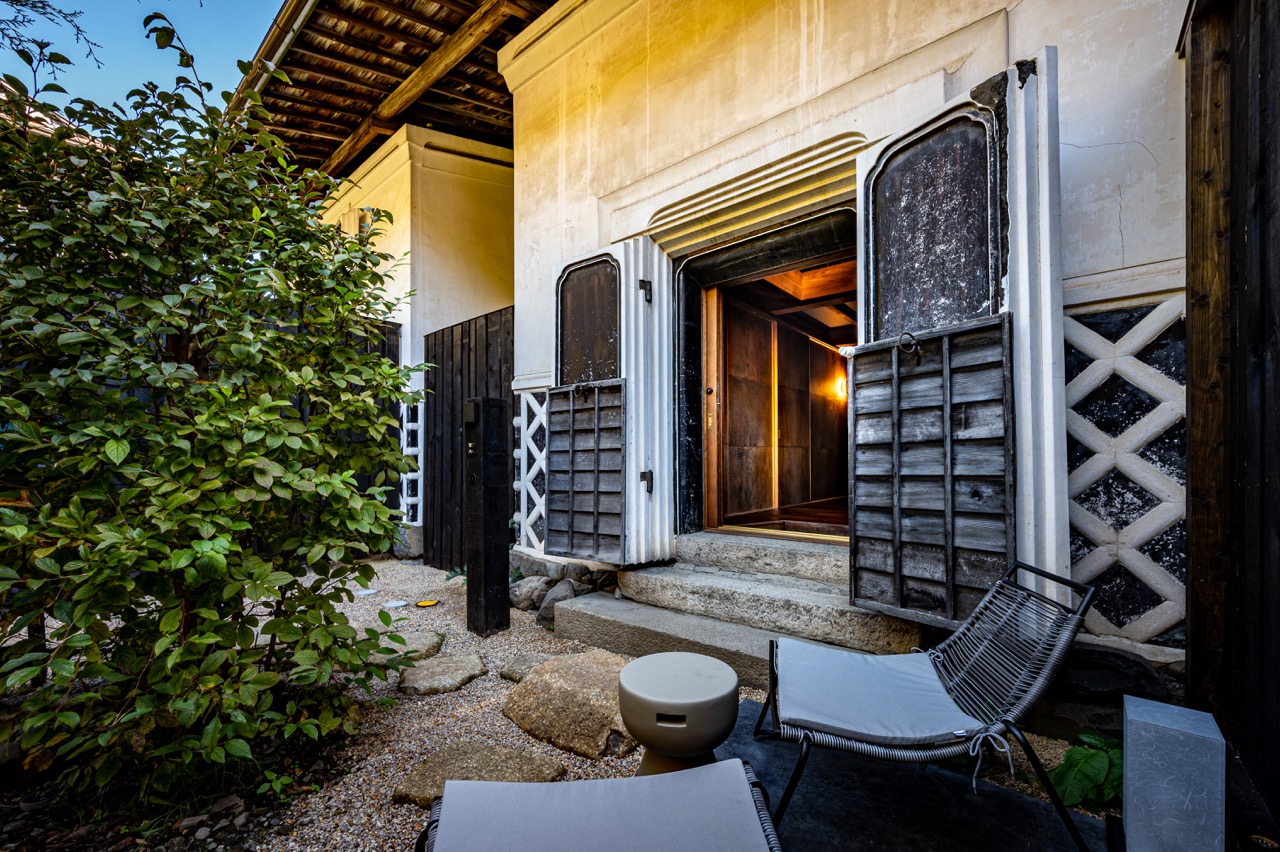
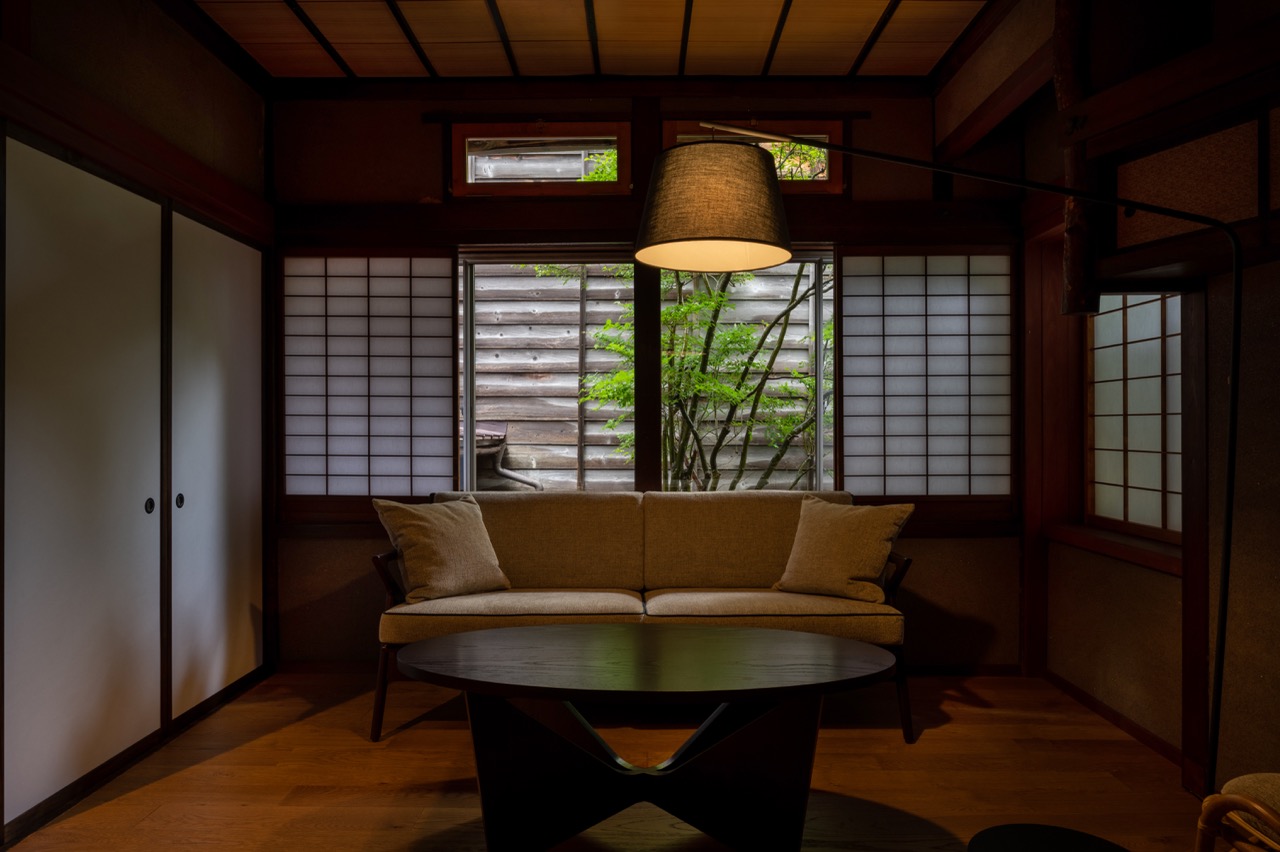
This might mean a traditional ryokan with a private onsen, a quiet designer hotel with mountain views and carefully curated interiors, or a beautifully restored kominka farmhouse.
In more remote settings, it could be a small, invitation-only inn serving generous local cooking, or even a night glamping high in the peaks.
We also arrange more unusual stays including time in a working temple, with the option to join morning prayers alongside a resident monk.