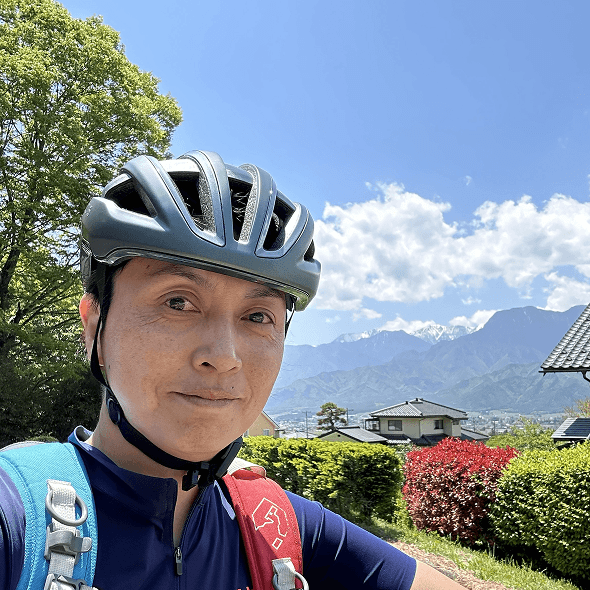
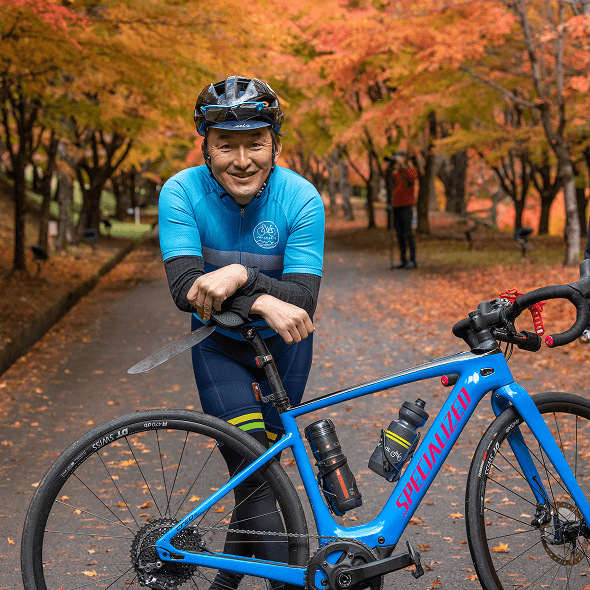
Ex-Olympic mountain biker Raita Suzuki on choosing an e-bike for the mountains of Nagano.
E-bike use has risen exponentially across the globe in recent years. What was once dismissed as “a bike with assistance” is now a standard tool in modern cycling, even among professional riders.
In Japan, riders are increasingly heading to regions like Nagano and the Northern Alps to access terrain that’s difficult to reach otherwise. But not every e-bike is suited for mountain use. Terrain, elevation, and surface conditions all affect performance and safety.
Based on years of professional riding around the world, and in Nagano, Raita Suzuki shares what actually matters when choosing a mountain e-bike.
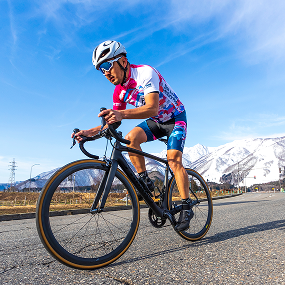
What Matters in a Mountain E-Bike
There is a common misconception that power is the priority when choosing a mountain e-bike. Power alone is certainly not enough. In the mountains, the key is control, being able to handle steep climbs and maintaining stability on the way down.
For Raita, there are 3 main considerations when choosing the best mountain e-bike:
- Motor and battery capacity
Many routes in Nagano involve 500–1,000 meters of elevation gain or more. A battery that can handle long climbs, paired with a motor that delivers smooth assistance, is essential. - Suspension
Full suspension is standard for trail riding in Nagano. Forest roads and mountain trails often include rock and gravel sections where front suspension alone isn’t sufficient. A travel range of 140–160mm front and rear is common. - Weight and handling
E-bikes are heavy by nature, but keeping weight around 20kg helps maintain control on technical terrain.
How Raita Chooses his E-Bike
“I ride e-bikes to go further and to experience more on the trail. Not to depend on assistance, but to extend what’s possible”.
Personally, I place huge importance on how natural the motor assist feels. Overly aggressive assistance can make technical climbs harder to manage and reduces efficiency on longer rides. Instead, going for reliability over long distances is what I aim to find in my ideal mountain e-bike.
Matching the Bike to the Terrain
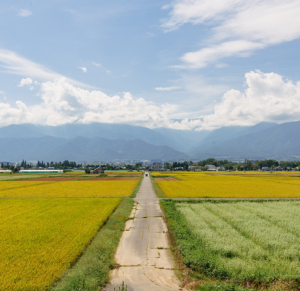
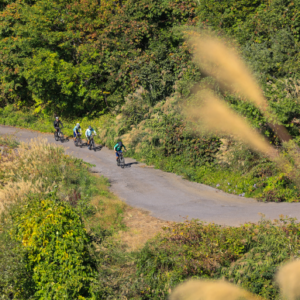
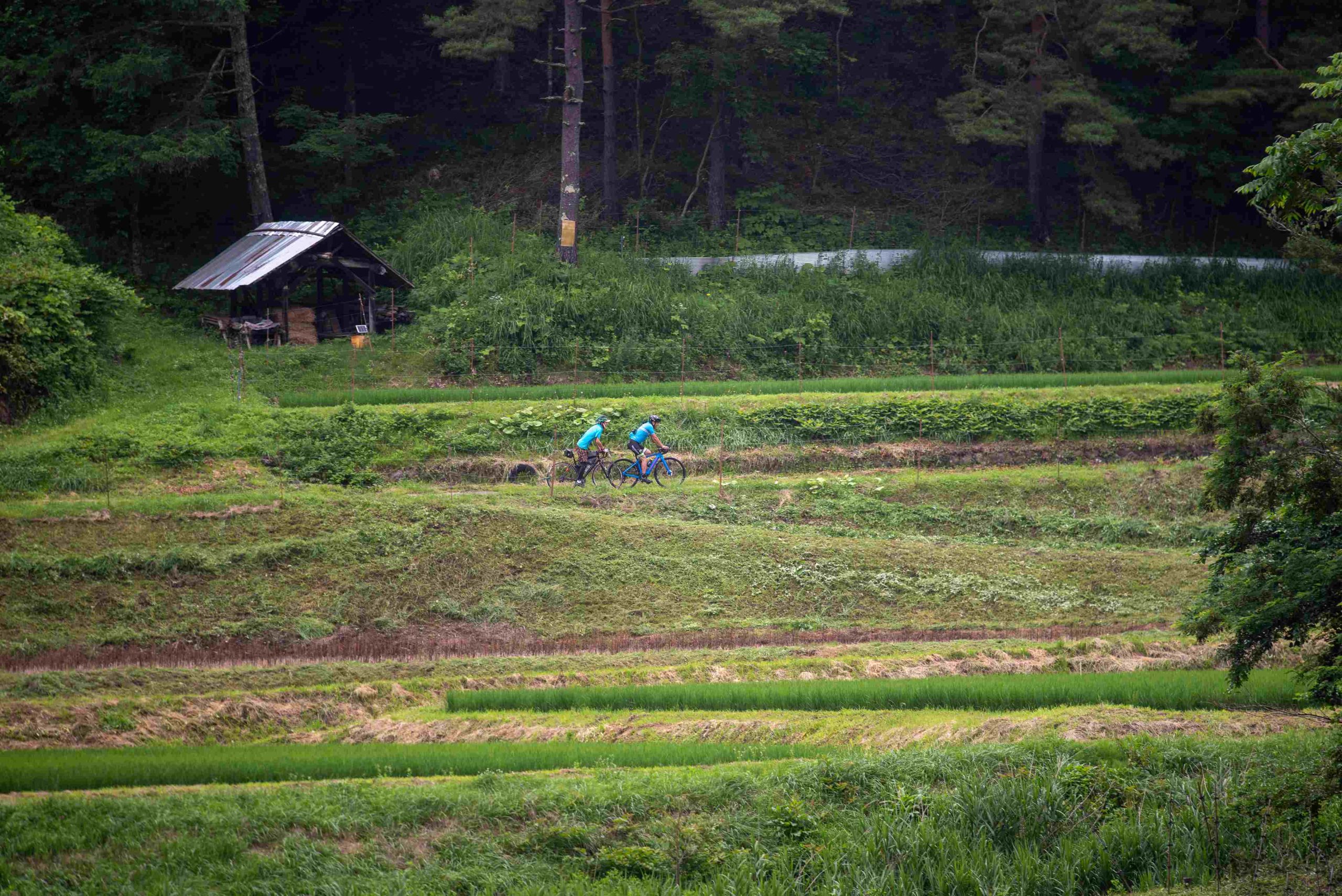
Nagano is unique in that it offers a wide mix of terrain, from alpine trails to quiet rural roads.
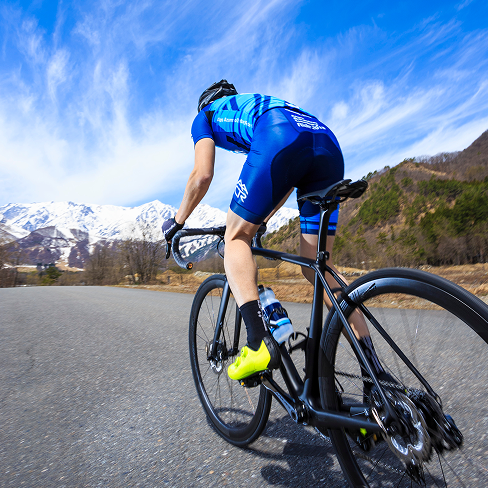
Areas like Hakuba, Otari, and Omachi often feature high-altitude trails starting above 1,000 meters. Hence, snow and morning moisture can make conditions slippery for much of the riding season. In contrast, Matsumoto and Azumino are more accessible, with routes catering to a wider range of riders.
Therefore selecting the right e-bike depends on the routes planned, the rider, as well as the season and weather conditions at play.
In Nagano, summer is mild even in the mountains, while autumn offers stable riding conditions and clear views. That being said, the weather can change quickly, so preparation is always part of riding here, and it’s where we excel.
With experts like Raita to find you the perfect fit, you couldn’t be in safer hands with the Ride Nagano team.
Reach out today to start planning your mountain adventure.