
The gems most tourists miss when visiting Matsumoto, and how to spend a day here. A local perspective by Yukie Sawada and Raita Suzuki.
Matsumoto and Azumino are often represented by just a few well-known highlights, but for us, the area is defined just as much by what lies in between.
In fact, most miss what the area really has to offer. Of course, Matsumoto Castle is a great starting point, but the city’s character comes from its streets, waterways, small shops, and the landscapes hidden in plain sight.
The Best Way to See Matsumoto Castle
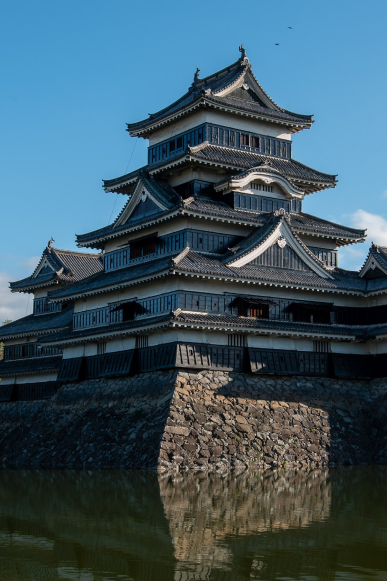
The best time to visit Matsumoto Castle is early morning, just after opening, to avoid peak crowds. We recommend walking around the outer moat before entering the main keep which offers incredible views of the castle which change character depending on the angle, with the Northern Alps visible in the background on clear days.
The cherry blossom season and autumn foliage are also stunning in Matsumoto castle park, and well worth timing a trip to be able to experience.
Matsumoto Beyond the Castle
Matsumoto Castle is the city’s landmark, and rightfully so. It is the oldest standing original castle in Japan, and the striking black exteriors gives the castle a refined and elegant presence amongst the mountain backdrop.
That being said, Matsumoto town itself is equally impressive, developed around ancient trade routes such as the Zenkoji Kaido, and the migration of Japanese nobles that would travel through the castle town bringing goods from far and wide.
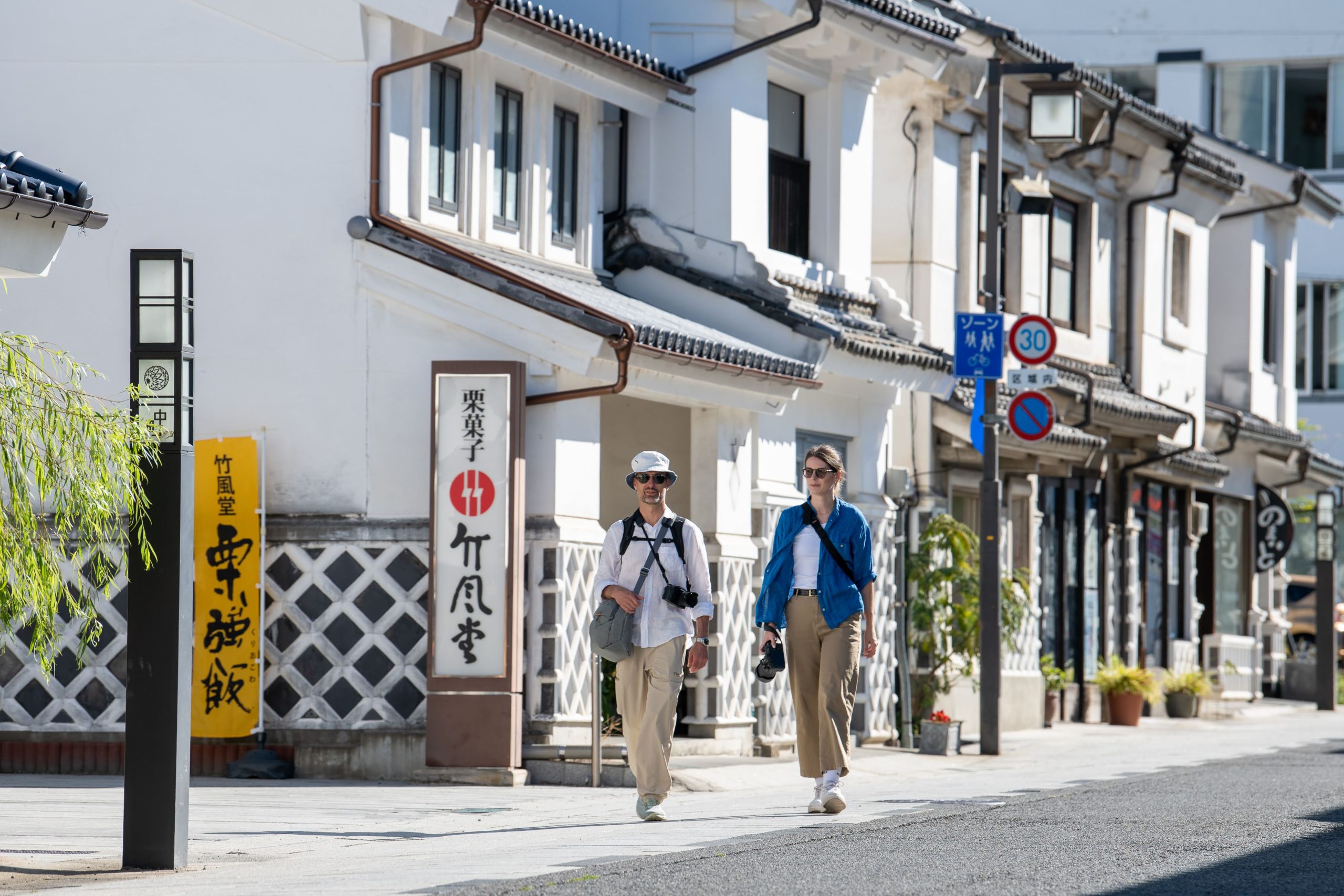
Nakamachi Street is one of the clearest examples of this history. Former storefronts line the street, now hosting cafés, craft shops, and small restaurants. The juxtaposition of old structures repurposed for modern use gives the area a stylish yet lived-in feel that does justice to Matsumoto’s past.
Water is another defining element of Matsumoto that is often taken for granted. Springs like Genchi Well have supplied the city for generations, and still shape how the town is experienced today. In fact, visitors will see an Edo period text that accompanies the well stating the water source as the ‘best in the region’.
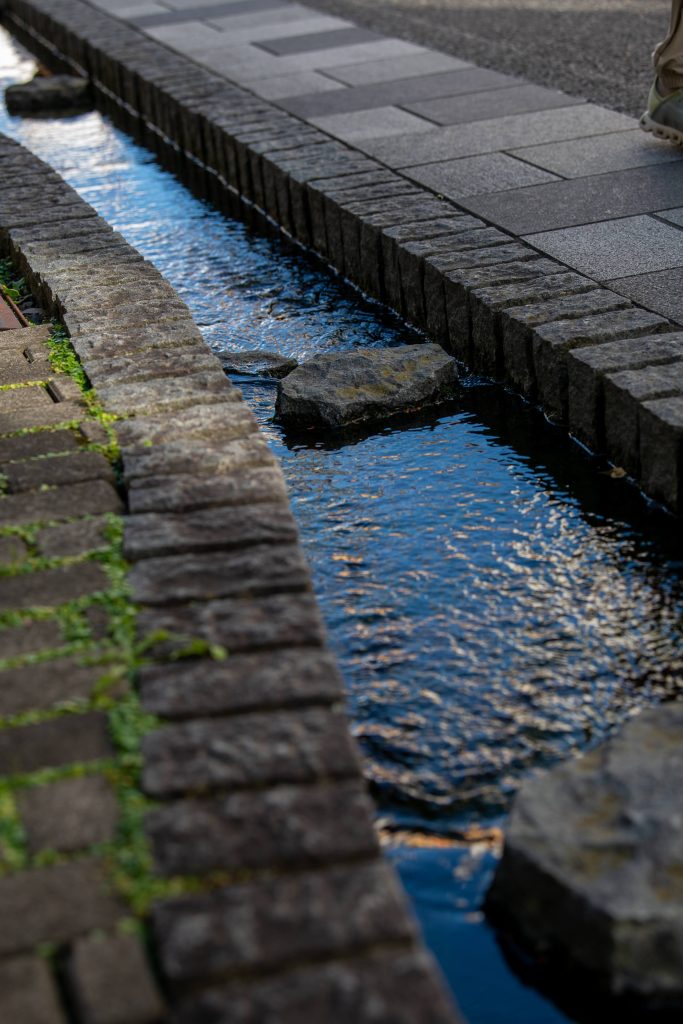
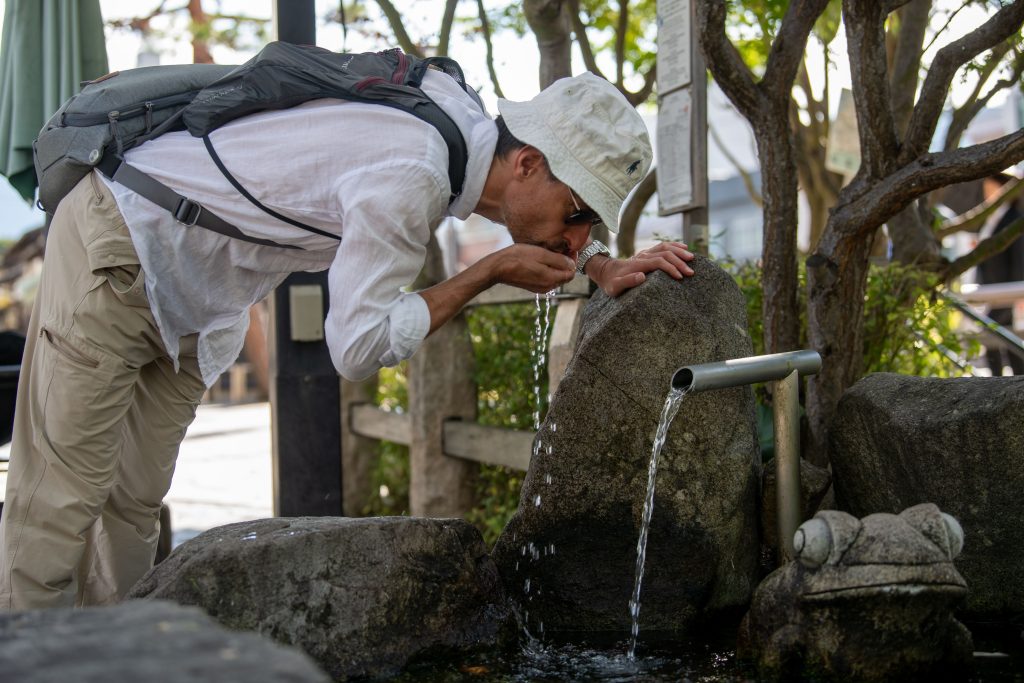
The quality of water is no better qualified than the bouts of wasabi that grows even in local’s back gardens, despite wasabi being notoriously difficult to grow, requiring the very purest of water.
What Visitors Often Miss in Matsumoto
Matsumoto Town itself
Many visitors pass through the castle and station area, missing entirely the vibrant atmosphere of Matsumoto that’s found in those spaces between.
Taking the time to walk through the narrow side streets, following water channels, and stepping into small artisan shops is the best way to visit Matsumoto as it should be experienced.
Ancient trade routes linking Matsumoto
Given the time, we also recommend taking a trip further out, to the historic routes that shaped Matsumoto as this provides the context for the region even if the routes themselves are no longer used in the same way.
Not to mention, routes such as the Zenkoji Kaido and Salt Road are some of the most incredible scenic roads to hike or cycle.
Azumino
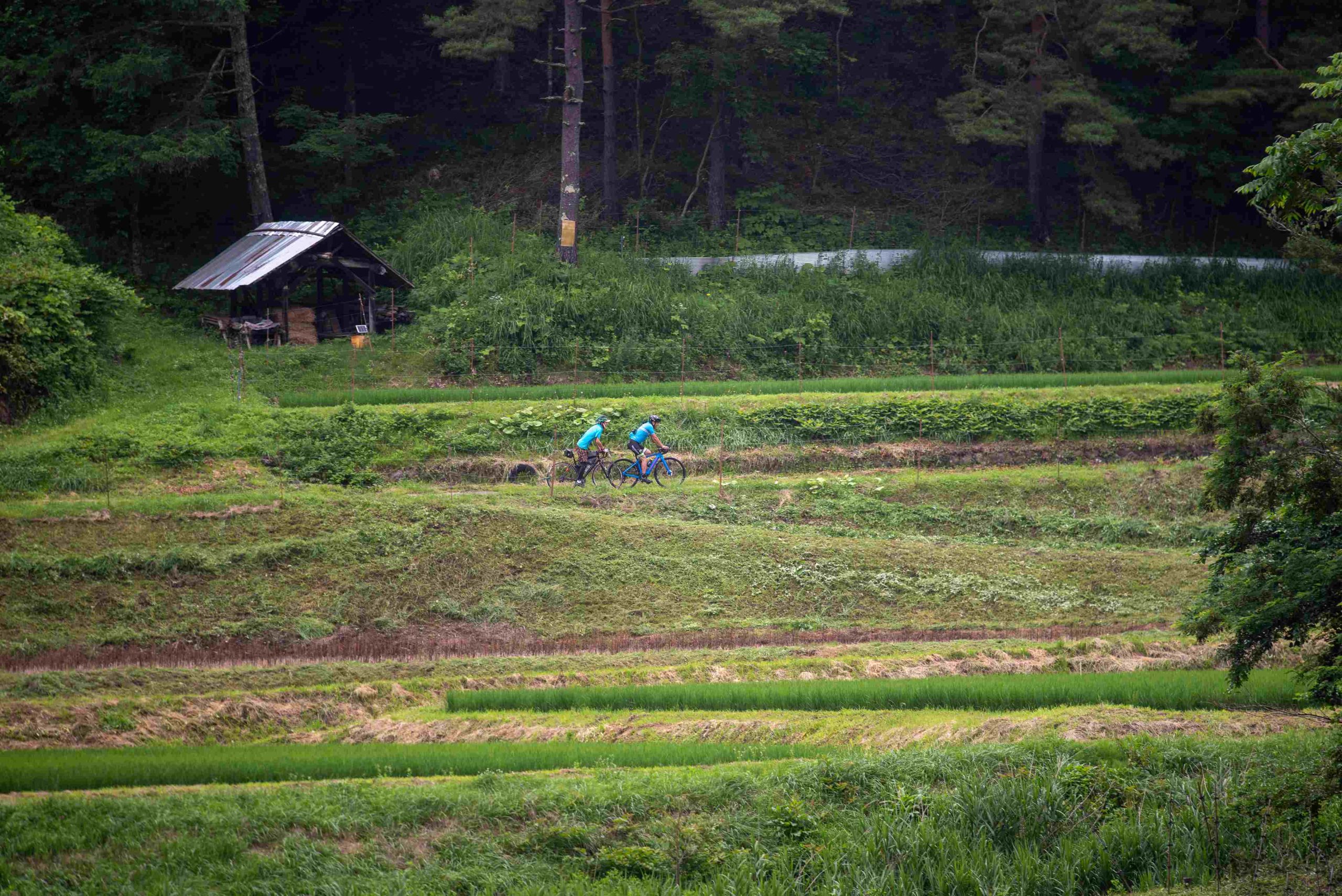
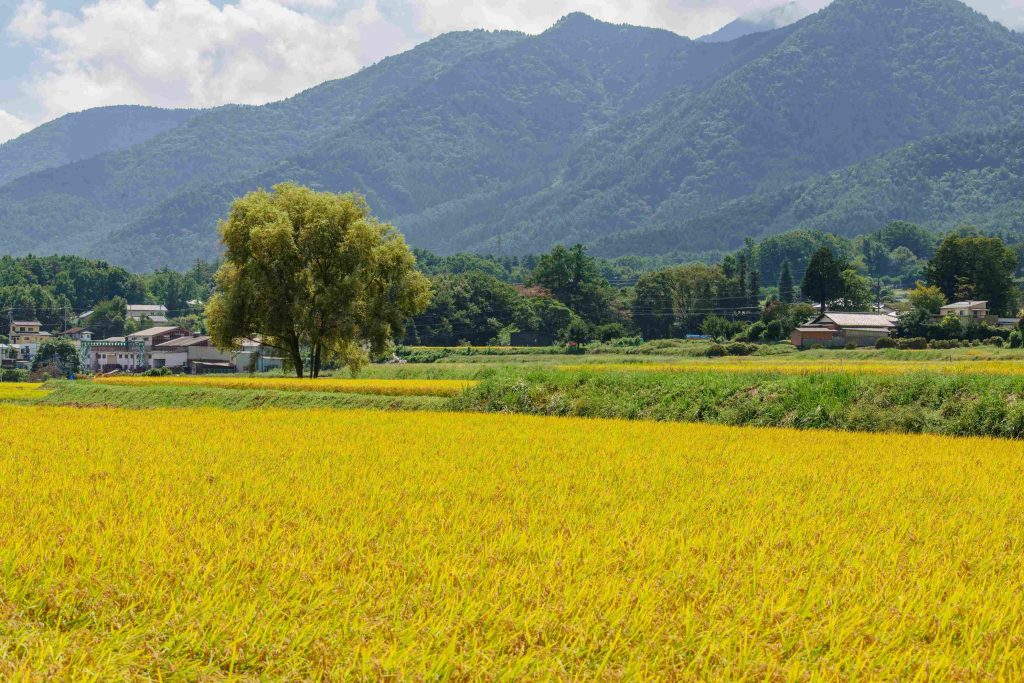
Azumino is starkly different to the quiet hustle of Matsumoto city. The landscape opens up into wide stretches of patchworked farmland, rivers, and mountain views.
Wasabi fields, spring water systems, and charming rural cafés are dotted throughout the area. Compared to Matsumoto, the pace slows and the space opens up before you.
The Food Culture of Matsumoto and Azumino
Matusmoto is an emerging gastronomic hotspot gaining traction throughout Japan, likely due to the quality and freshness of Nagano produce supplying local eateries and restaurants, as well as a commitment to preserving the local food culture of the region.
In Azumino, soba, oyaki, Shinshu salmon, and local cafés are all part of the food landscape. The region is known for combining scenery with everyday dining rather than thinking of food in isolation.
Local favourites include:
- Sanzoku-yaki – one of Matsumoto’s most recognizable local dishes. Fried chicken marinated in garlic soy sauce which can be found even in everyday grocery stores.
- Toji Soba from the Nagawa area is another regional specialty, where soba is dipped into a hot broth before eating.
- Usuyaki – ‘Matsumoto style savoury pancakes’ which use rice flour, making them slightly chewy and packed with local vegetables.
One-day in Matsumoto as a Local
If you only have one day in Matsumoto, there is no better way than experiencing it by bike. The roads are perfectly suited and quiet for cycling in this region, making it easy to move between the city streets and rural landscapes without rushing.
A Local’s Itinerary to Matsumoto and Azumino
| Time | Experience | Places | Notes |
| 8:30–9:45 | Matsumoto Castle | Matsumoto Castle | Visiting as soon as the castle opens, before the crowds |
| 9:45–11:30 | Castle town | Nakamachi Street, Genchi Well | Walk or cycle through side streets, stopping in local craft shops along the way |
| 11:30–12:30 | Lunch | Matsumoto city | Local dishes such as Sanzoku-yaki |
| 13:00–16:30 | Azumino ride | Wasabi fields, countryside | Open landscapes and easy cycling |
| Late afternoon | Café stop | Azumino cafés | Coffee and dessert with mountain views |