6 Days | Cycling Through Japan’s Mountain Food Culture
Tour Overview
Nagano’s cuisine is shaped by the mountains, deep snow and crystal clear meltwater that nourishes the valleys’ farming areas. For centuries, remote communities relied on what could be grown, preserved, fermented, and foraged from the landscape around them. The result is an incredible food culture deeply connected to nature and the four seasons including orchard fruits, mountain vegetables, rice, miso, soba noodles, oyaki dumplings and wasabi. Not to mention locally produced wines, and the finest of whiskey and sakes.
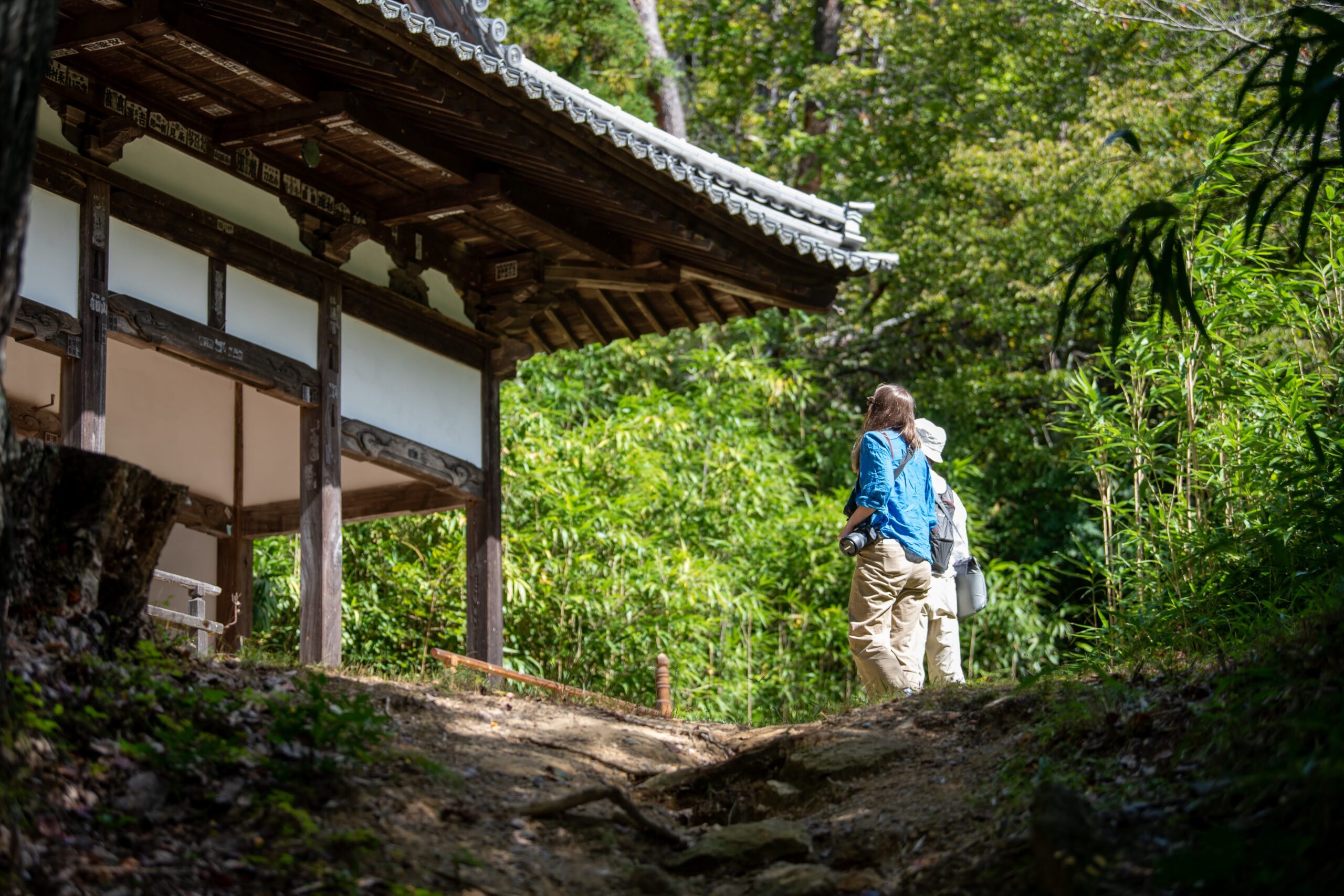
Travelling by e-bike allows you to experience the breadth of this incredible mountainous region properly. Meandering through the valley’s quiet backroads takes you past rice fields, cedar forests, orchards, traditional villages, all offering plenty of opportunities to stop, meet and eat with local producers. Enabling you to enjoy ingredients directly from their source.
This sample itinerary combines cycling, regional food experiences, traditional accommodation, and some of Nagano’s most beautiful rural scenery into one immersive gourmet journey through the Japanese Alps.
Sample Journey Itinerary
Day 1 — Iiyama
Rice culture, sake and rural cooking traditions
Arrive in the rural landscapes of northern Nagano, a region known for its heavy snowfall, pure mountain water and thus bountiful rice and sake production. From Iiyama station, within five minutes you will be cycling through rice fields and quiet farming villages.
Stop for a simple yet exquisite lunch inside a traditional minka farmhouse, where seasonal local dishes showcase the simplicity and depth of rural Japanese cooking. In the afternoon, visit a small sake brewery to learn how Nagano’s deep snowy winters and mountain water shapes its distinct sake style.
The evening is spent by Lake Hokuryu, known for its romantic folklore, with dinner focused on local ingredients and relaxed mountain hospitality.
Highlights
- Cycling through rice fields and rural villages
- Traditional countryside cuisine
- Local sake tasting
- Traditional accommodation and onsen
Cycling Distance: 20–30 km
Day 2 — Obuse
Orchards, chestnuts and refined local cuisine
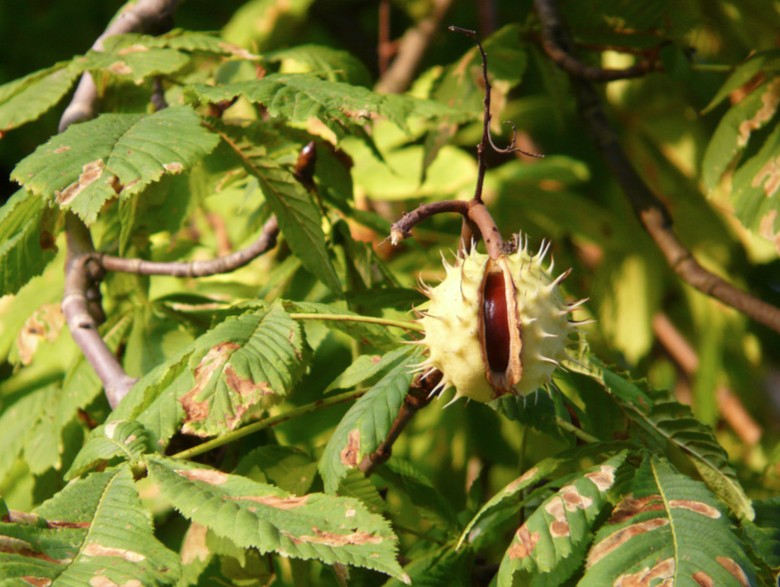
Cycle south from Iiyama along quiet backroads lined with apple orchards and small farming communities towards the historic town of Obuse, famous for its chestnuts and artisan food scene.
Continue towards Jigokudani, home to the snow monkeys, where lunch is enjoyed overlooking the forested valley. After some time to relax in the onsen, the evening meal showcases Nagano’s ingredients through a refined modern dining experience.
This day contrasts rural simplicity with the more polished culinary traditions that developed through trade and prosperity in the region.
Highlights
- Apple orchards and countryside cycling
- Chestnut food culture
- Snow monkey valley
- Refined seasonal dining
- Ryokan stay with onsen
Cycling Distance: Approx. 30 km
Day 3 — Nagano & Togakushi
Soba, mountain shrines and calming forest culture
Transfer towards Nagano City to visit Zenkoji Temple before cycling gradually into the mountains towards Togakushi, one of Japan’s most spiritual and atmospheric forest regions.
Togakushi is renowned for its soba culture, with buckwheat thriving in the cool mountain climate. Lunch features handmade soba noodles prepared in the traditional local style.
In the afternoon, walk among towering cedar trees to Togakushi Shrine and the calming pond at Kagami before settling into a beautifully restored thatched-roof farmhouse for the night. Dinner is slow, seasonal, and deeply connected to the surrounding mountains.
Highlights
- Zenkoji Temple
- Handmade Togakushi soba
- Cedar forests and shrines
- Traditional farmhouse stay
- Seasonal mountain cuisine
Cycling Distance: Approx. 25 km
Day 4 — Ogawa Village to Hakuba
Buckwheat fields, stunning landscapes and alpine villages
On leaving Ogawa village is one of the most scenic rides of the journey, travelling through mountain roads, remote hamlets, and enjoying wide alpine views towards mountainous Hakuba.
The route passes buckwheat fields that shape both the cuisine and landscape of the region. Along the way, stop in small villages to sample local specialties such as oyaki, traditional stuffed dumplings, using recipes lovingly passed down countless generations.
Descending into Hakuba, the atmosphere shifts from traditional farming communities to dramatic alpine scenery and modern mountain hospitality.
Highlights
- Mountain cycling and panoramic viewpoints
- Buckwheat farming landscapes
- Traditional oyaki dumplings
- Alpine scenery
- Contemporary mountain accommodation
Cycling Distance: 40–50 km
Day 5 — Azumino & Matsumoto
Wasabi, wine and the historic salt road
The final ride follows sections of a historic salt road, once used to transport salt inland and rice back towards the coast, a route central to the development of food culture in the region.
Cycle through Azumino’s clear-water landscapes, stopping at wasabi farms fed by natural spring water and visiting local wineries producing delicious Japanese wines.
The journey finishes in Matsumoto, one of Nagano’s historic castle towns, where the final evening combines exceptional local cuisine with the atmosphere of old Japan after dark.
Highlights
- Historic salt road cycling
- Wasabi farms and spring water landscapes
- Nagano wine tasting
- Matsumoto Castle
- Gourmet dinner experience
Cycling Distance: Approx. 30 km
Day 6 — Departure
After breakfast, depart Matsumoto to continue through Japan.
Optional Experiences
- Farm-to-table cooking experiences
- Traditional miso-making workshop
- Additional winery visits and tastings
- Seasonal fruit picking
- Rice paddy planting (depending on the season)