6 Days | Cycling Through Japan’s History, Craft & Sacred Landscapes
Tour Overview
Nagano’s mountains have long shaped the movement of people, ideas, religion, and trade throughout Japan. Hidden within its valleys are preserved post towns, ancient pilgrimage routes, castle cities, sacred forests, and rural communities that continue cultural traditions passed down for centuries.
This journey explores the foundations of traditional Japan. The rise of samurai, the role of Buddhism and Shintoism, Edo-period travel culture, exquisite woodwork and lacquerware traditions, and the relationship between nature and daily life in rural mountain communities. Along the way, guests stay in carefully selected accommodation, meet locals and artisans, and experience the slower rhythm of life that still exists in Nagano’s countryside.
The tour combines cycling, walking, cultural visits, local food, and immersive storytelling to create a deeper understanding of how geography, belief systems, and isolation shaped rural Japanese culture over centuries.
Sample Itinerary
Day 1 — Matsumoto
Castle town and samurai history
Begin in Matsumoto, one of Japan’s best-preserved feudal cities. Explore the iconic Matsumoto Castle and learn about the history of the samurai and castle town during the Edo period.
Spend the afternoon wandering through merchant districts and exploring ‘kura’ storehouses before settling into a beautifully restored accommodation for the evening.
Highlights
- Matsumoto Castle
- Samurai history
- Merchant districts and traditional architecture
Ride Option: 10–15 km gentle city ride
Day 2 — Matsumoto to Suwa
Sacred landscapes and Shinto traditions
Cycle through open valley landscapes towards Suwa, home to one of Japan’s oldest and most important shrine complexes.
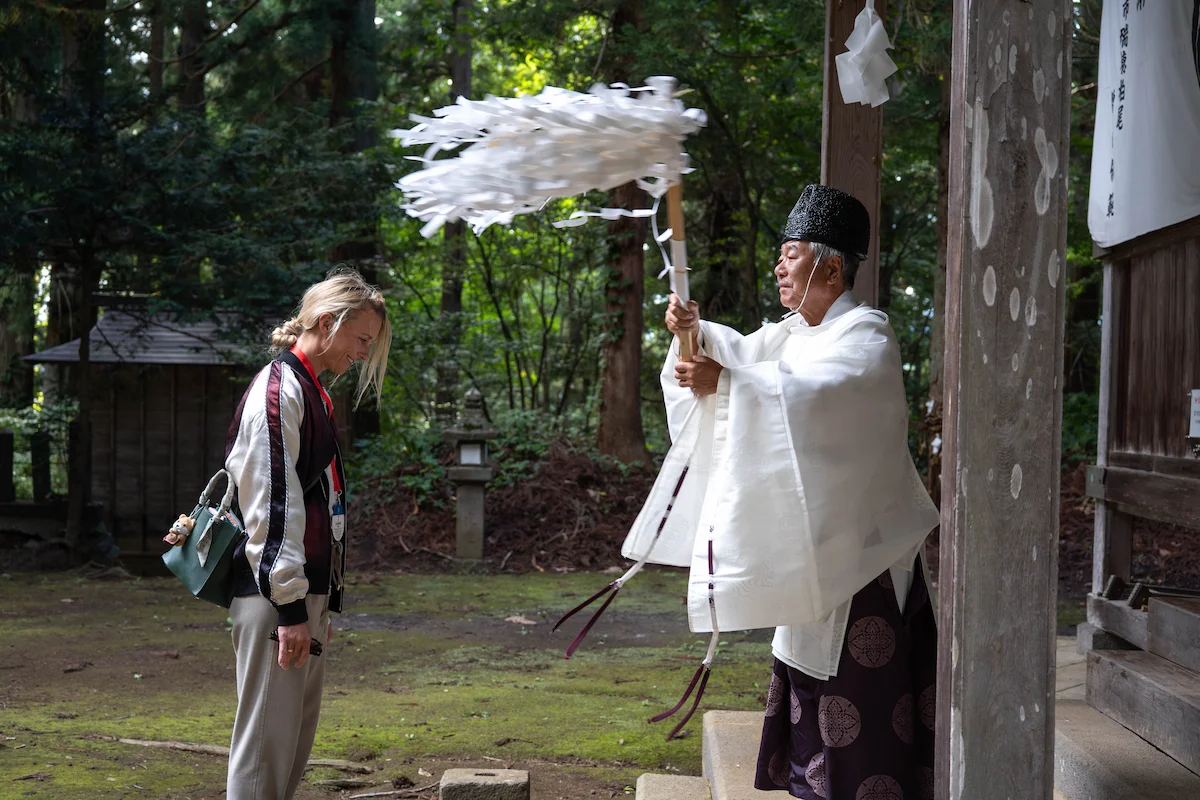
Visit Suwa Taisha and learn about Shintoism, sacred forests, and the region’s ancient spiritual traditions before relaxing beside Lake Suwa for the evening.
Highlights
- Suwa Taisha shrine
- Shintoism and nature worship
- Sacred forests and lake scenery
Cycling Distance: Approx. 40 km
Day 3 — Suwa to the Kiso Valley
Post towns and traditional crafts
Follow quiet rural roads into the historic Kiso Valley, once part of the bustling Nakasendo trade route connecting the ancient cities of Kyoto and Edo (Tokyo).
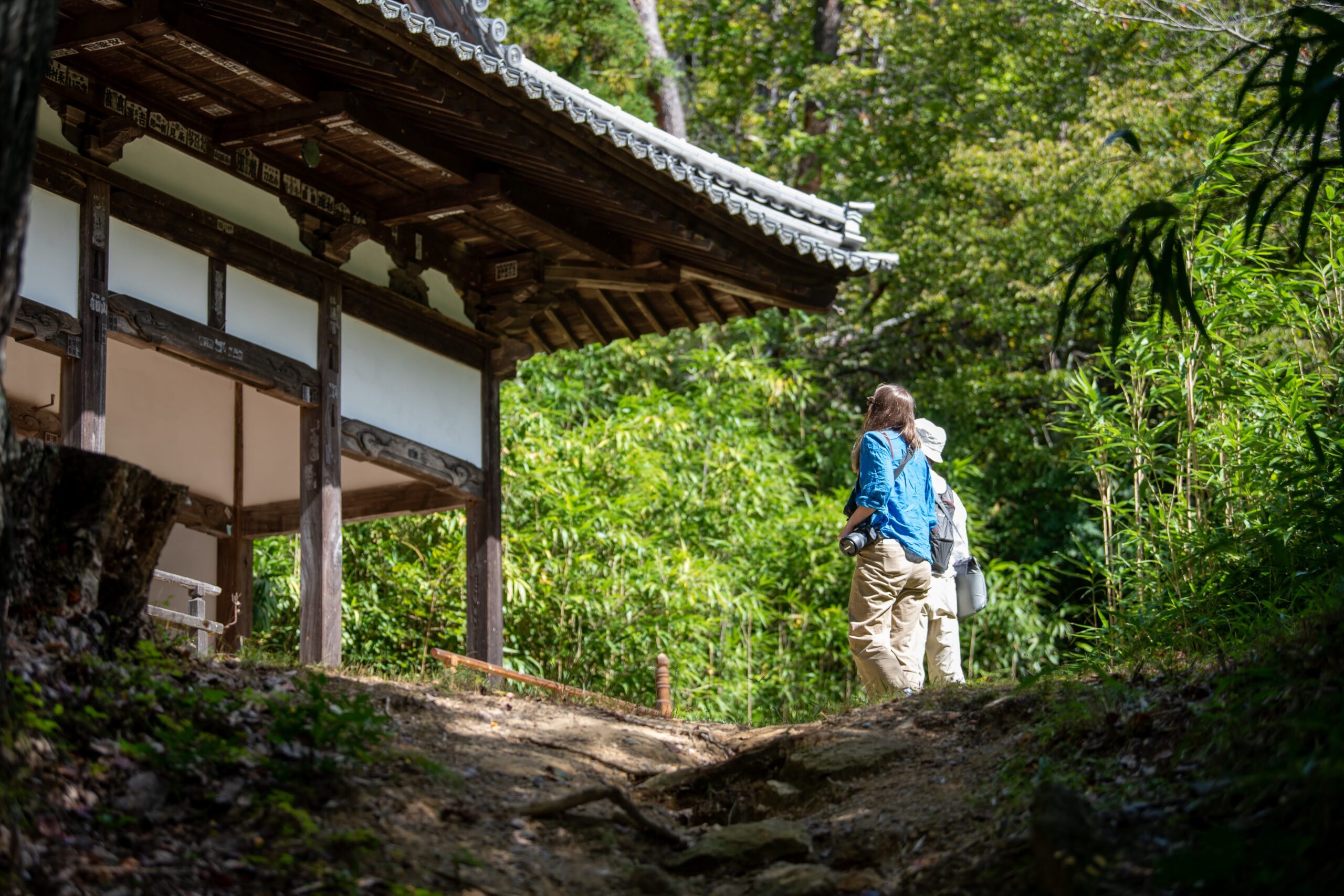
Visit preserved post towns, walk historic streets once travelled by samurai and merchants, and meet local lacquerware artisans continuing generations-old craft traditions.
The evening is spent in one of Japan’s most beautifully preserved post towns.
Highlights
- Historic Nakasendo route
- Preserved Edo-period post towns
- Traditional lacquerware craftsmanship
- Rural mountain communities
Cycling Distance: 25–40 km
Day 4 — Kiso Valley & Mount Ontake
Sacred mountains and forest worship
Focus on the spiritual culture of the Kiso Valley and the deep relationship between mountains and belief systems in Japan.
Cycle through forested landscapes towards the foothills of Mount Ontake, one of Japan’s most sacred mountains and an important centre of mountain worship. Learn about pilgrimage traditions, sacred forests, and the spiritual significance of mountains within ancient Japanese culture.
Highlights
- Mount Ontake landscapes
- Shinto mountain worship traditions
- Sacred forests and shrines
- Pilgrimage culture and spirituality
Cycling Distance: 30–45 km
Day 5 — Nakasendo Trail
Edo-period travel culture and historic post towns
Spend the day exploring one of Japan’s most historically important travel routes during the Edo-period, the Nakasendo Trail.
Cycle and walk through beautifully preserved post towns such as Tsumago and Magome, where ancient wooden inns, meandering stone paths, and grand merchant houses reflect the atmosphere of Edo-period Japan. Learn about the movement of samurai, merchants, pilgrims, and officials who once travelled this route between Kyoto and Edo.
The journey also explores how these remote mountain communities supported travellers and the ongoing connections through food, hospitality, farming, forestry and trade.
Highlights
- Tsumago and Magome post towns
- Edo-period travel history
- Historic inns and merchant streets
- Rural mountain culture
Cycling Distance: Approx. 30–40 km
Day 6 — Zenkoji Kaido to Matsumoto
Pilgrimage routes and mountain scenery
Follow sections of the historic Zenkoji Kaido through highland villages and mountain landscapes before returning to Matsumoto.
The ride offers a final chance to immerse yourself in the culture, history, and traditions that continue to shape rural Japan today.
Highlights
- Historic pilgrimage routes
- Mountain villages and scenic viewpoints
- Cultural storytelling with guide
Cycling Distance: Approx. 40 km